
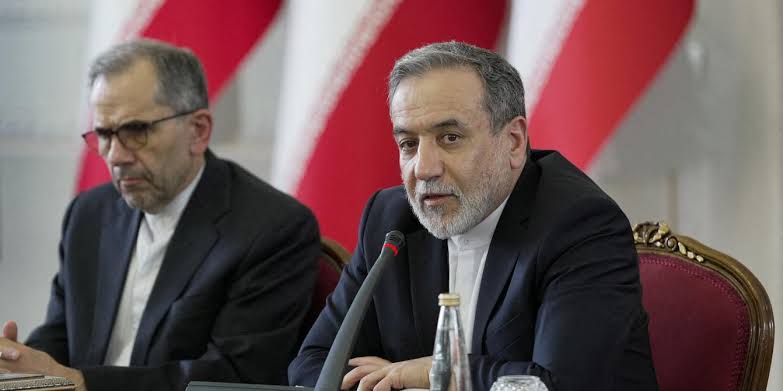
The United Kingdom has reintroduced sanctions on Iran, citing violations of limits set under the 2015 nuclear agreement, known as the Joint Comprehensive Plan of Action (JCPOA).
The move follows years of failed negotiations with Tehran over its nuclear activities and comes amid rising tensions between Iran and the West.
The JCPOA, signed by Iran and the UN Security Council’s five permanent members—China, France, Russia, the United Kingdom, and the United States—plus Germany, aimed to curb Iran’s nuclear program in exchange for relief from international sanctions.
The United States withdrew from the deal in 2018 under former President Donald Trump, re-imposing sanctions that had been lifted, and this decision strained global diplomatic efforts.
Recent developments have further worsened relations. Iran’s 12-day conflict with Israel earlier this year saw Israeli strikes targeting Iran’s major nuclear sites, with Israel alleging that Tehran was close to developing nuclear weapons.
UK Foreign Secretary David Lammy said the UK and its European partners had negotiated with Iran in good faith since 2019, attempting to maintain a viable agreement.
He stated that Iran has breached almost all the JCPOA limits, and its enriched uranium stockpile now exceeds the cap by 45 times.
Despite reimposing sanctions, Lammy emphasized that Iran could still return to the negotiating table with a credible offer.
The UK, alongside European allies, had previously offered an extension to sanctions relief, contingent on Iran meeting certain conditions, which Tehran rejected.
The reintroduction of sanctions is part of a broader effort by the UK and its partners to pressure Iran to comply with international nuclear restrictions and prevent further escalation in the region.
Officials hope that renewed diplomatic engagement could eventually lead to a resolution, but for now, Iran faces renewed economic and political restrictions.