
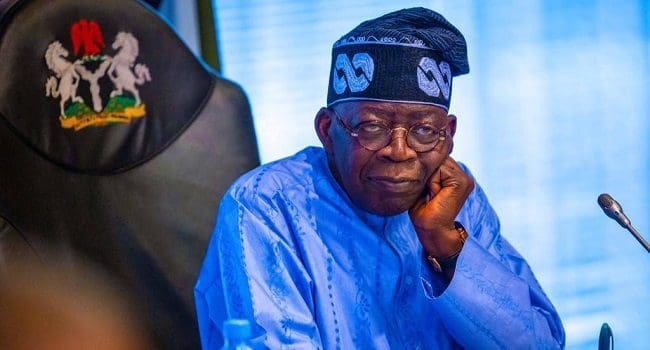
The United Kingdom has declared Nigeria a top destination for investment, crediting recent economic reforms by President Bola Tinubu’s administration for the country’s rising appeal.
British officials believe these changes are starting to reshape Nigeria’s business climate and open new opportunities for trade and cooperation.
Speaking at a press event in Abuja, the British High Commissioner to Nigeria, Richard Montgomery, expressed optimism about the direction of Nigeria’s economy. He said the reforms are helping to build investor confidence, even though many citizens are still feeling the effects of inflation and structural adjustments. According to Montgomery, these changes are beginning to stabilize key economic indicators and attract the attention of UK companies looking to expand their reach in Africa.
Among the reforms gaining praise are the removal of fuel subsidies and the decision to unify exchange rates. Montgomery said these steps are bringing back predictability in the market, helping stabilize the naira, and increasing foreign exchange reserves. These signs of progress, he noted, are crucial for encouraging long-term investment.
He pointed to recent data from the World Bank, which shows an increase in government revenues and a decline in the fiscal deficit. Federal allocations to Nigerian states have doubled, which he said is allowing more funds to be directed toward infrastructure and public services. At the same time, economic growth is holding steady, with Nigeria’s GDP rising by 3.84% in the last quarter of 2024.
The UK’s current trade relationship with Nigeria is valued at £7.2 billion, a figure expected to rise under the Enhanced Trade and Investment Partnership (ETIP). Signed in 2024, this agreement is designed to deepen economic collaboration between the two countries. It covers areas like financial services, technology, healthcare, energy, and the creative economy—while also focusing on agriculture and education.
Montgomery said the UK is already removing tariffs on thousands of Nigerian export products to support trade. The goal, he explained, is to create an environment where both countries benefit and where Nigeria can attract investment that leads to job creation and industrial growth.
Adding to the message, Mark Smithson, UK Country Director for the Department for Business and Trade, highlighted that Nigeria is the UK’s second-largest trading partner in Africa and the largest destination for British exports on the continent. He said the ETIP is more than a formal agreement—it is an action plan meant to cut red tape, promote jobs, and remove trade barriers.
Smithson said the partnership targets eight key sectors: clean energy, education, agriculture, financial services, creative industries, legal services, regulatory systems, and digital growth. As part of the agreement, the UK and Nigeria have already launched the UK-Nigeria Business Dialogue and formed a Creative Industries Working Group to drive progress on shared goals.
He also shared that UK-based companies like Konexa are already operating on the ground in Nigeria and contributing to the country’s development through clean energy and infrastructure initiatives. These efforts are helping to make the UK’s investment in Nigeria more practical and people-focused.
The British government says it is committed to walking alongside Nigeria as it works toward long-term economic stability. Both countries now see the relationship as more than trade—it is a shared journey toward growth, innovation, and prosperity.