
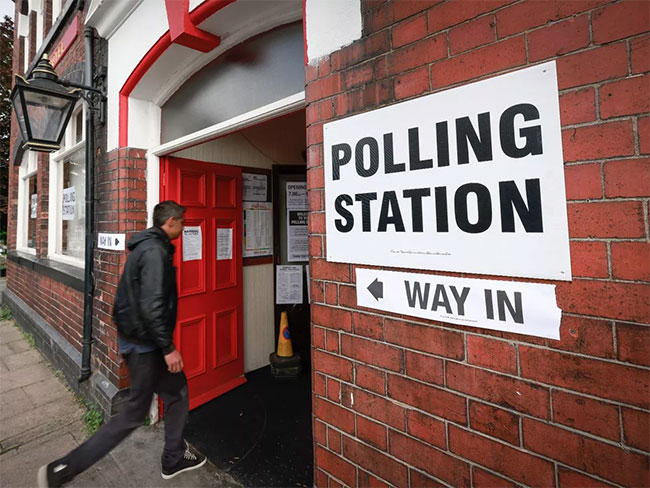
The British government has announced plans to extend voting rights to 16- and 17-year-olds across the country, marking the first national change to voting age laws in more than five decades.
With over 1.6 million people in this age group out of a total population of around 68 million, the move is expected to bring a major shift in the size of the voting base.
This change is being introduced as part of a broader policy effort aimed at rebuilding public confidence in democratic processes.
Government leaders have said the decision comes at a time when trust in political institutions is weakening and that allowing younger citizens to participate in elections could help address this concern.
Alongside the change in voting age, the plan includes new measures to control foreign political donations and streamline voter registration processes.
These steps aim to ensure a fairer and more secure electoral system.
The UK already had limited experience with this approach.
In Scotland and Wales, young people aged 16 and above have been able to vote in regional parliamentary elections for several years.
The new policy will extend this right to national elections throughout the entire United Kingdom.
Internationally, several countries already allow younger people to vote. Austria, Malta, and Brazil permit 16-year-olds to vote in general elections.
In other countries like Germany and Belgium, voting is allowed at 16 in certain elections, such as for the European Parliament, but not in national votes.
This decision marks a major update to the UK’s electoral system and will likely influence political engagement among younger generations.