
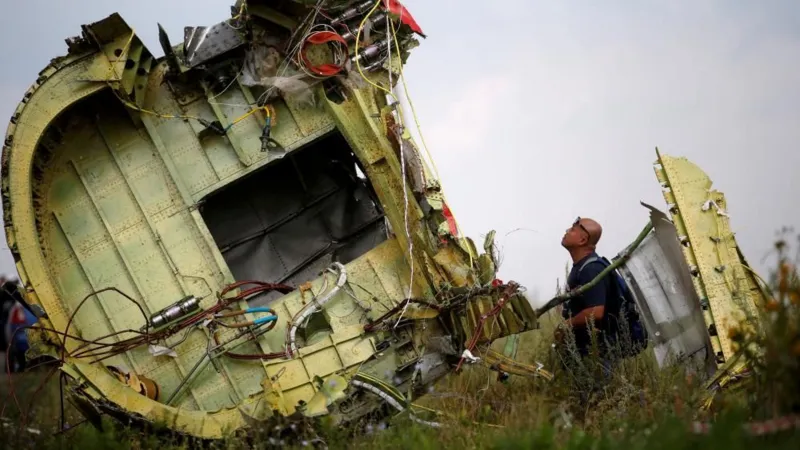
Russia has been found responsible by a United Nations aviation body for the 2014 downing of Malaysia Airlines flight MH17.
The aircraft was shot down over conflict-hit eastern Ukraine while flying from Amsterdam to Kuala Lumpur. All 298 passengers and crew on board lost their lives. The International Civil Aviation Organization (ICAO) Council, a key UN agency overseeing global air travel rules, delivered the decision following a case filed by the governments of Australia and the Netherlands.
The downing took place on July 17, 2014, during intense clashes between Ukrainian government forces and armed separatists believed to be backed by Russia. MH17 was flying at cruising altitude when it was struck by a missile over the Donbas region. The missile used was a Russian-made surface-to-air system. The crash killed people from various nationalities, including 196 Dutch citizens, 38 Australians, and 10 from the United Kingdom, along with others from Malaysia and Belgium.
The ICAO ruling came after years of investigation and international pressure. The decision holds Russia accountable under international aviation law, which bans the use of weapons against civilian aircraft in flight. This move adds to the pressure already on Russia following previous legal rulings and findings by investigative bodies. In 2022, a Dutch court found three individuals—two Russians and one pro-Russian Ukrainian—guilty of murder in absentia, concluding they were part of a group that controlled the missile launch site.
The ruling was based on a case brought forward in 2022. Australia and the Netherlands argued that Russia had not only supplied the missile system but also failed to stop its use against a commercial aircraft. Their claim was built on evidence collected over years, including radar data, satellite imagery, and intercepted communications. The ICAO Council reviewed the case under international air safety laws and concluded that Russia had breached its obligations by not protecting civil aviation over a known conflict zone.
Reactions from the affected countries came swiftly. Australia and the Netherlands welcomed the ruling and called on Russia to take responsibility and provide reparations to the victims’ families. They stressed the importance of justice for those who died and their loved ones. Families of the victims have waited over a decade for accountability, and this decision provides another step in their long search for closure.
Russia continues to deny involvement, rejecting all findings of responsibility. The Kremlin has consistently claimed it had no control over the separatist fighters and no part in the downing of MH17. Despite this, the international community has been gathering evidence linking Russia to the missile and its launchers. The ICAO’s decision reinforces the widely accepted view among Western nations that Russia bears responsibility.
The case remains a powerful reminder of the dangers of armed conflict near civilian air routes. MH17’s tragedy prompted changes in flight path regulations, and many airlines now avoid flying over active conflict zones. Though the ICAO cannot enforce penalties, its rulings carry global weight and can influence future legal and diplomatic actions.
The victims’ families have held on to hope for justice, and while the road has been long, this ruling adds momentum. The decision marks one more official recognition of what happened over the skies of Ukraine in 2014—and who was behind it.