
By Achile Danjuma
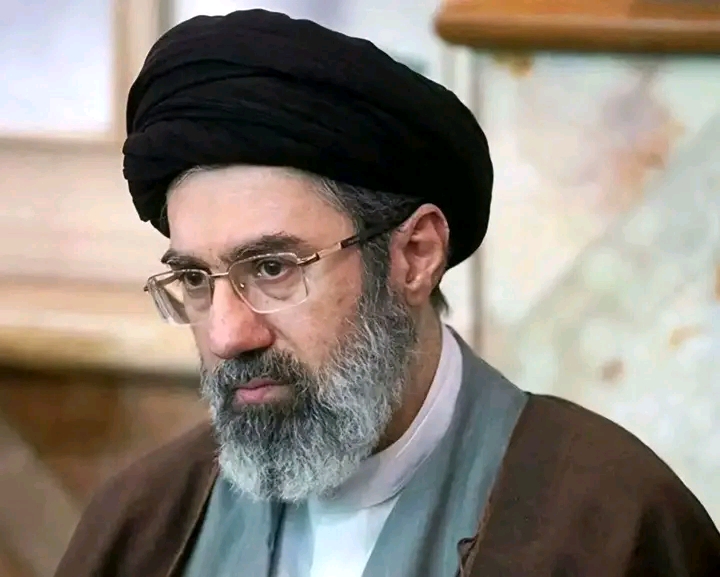
A cloud of uncertainty hangs over Iran’s leadership following multiple reports that the country’s new Supreme Leader, Mojtaba Khamenei, is receiving medical treatment in Moscow for injuries sustained in recent strikes.
According to a high-ranking Iranian official speaking to AJ Jariba, Khamenei was discreetly transported to Russia on a military aircraft due to a combination of security concerns and the severity of his medical condition. The source stated that the leader underwent surgery upon arrival and is now recuperating in a private medical facility located within one of President Vladimir Putin’s residences.
The official explained that the injuries, inflicted during strikes on February 28, were severe enough to require advanced medical care. The ongoing threat of bombardments in the region, coupled with specific Israeli threats against the Supreme Leader’s person, made it too risky to safely provide the necessary level of care within Iran.
The transfer to Moscow was facilitated by a direct offer from Russian President Vladimir Putin. The proposal was made during a phone call with Iranian President Masoud Pezeshkian on March 12 and subsequently accepted by Khamenei and his inner circle. A joint team of Russian and Iranian medical professionals is now overseeing his recovery.
The situation has been further clouded by doubts surrounding a recent public statement released in Khamenei’s name. A source familiar with Iran’s political circles suggested the message may have been drafted by Ali Larijani, the secretary-general of the Supreme National Security Council. The source cited stylistic similarities to Larijani’s past communications and noted the absence of an accompanying audio or video recording, raising questions about whether the Supreme Leader was aware of the broadcast.
On March 12, Israeli Prime Minister Benjamin Netanyahu indicated that Israel possesses intelligence regarding Khamenei’s condition and whereabouts but refrained from providing details. Israeli officials have subsequently cautioned that the leader’s injuries might be more severe than initially understood, though Tehran’s stringent security measures make independent verification challenging.
In a related development on March 13, the US government announced a $10 million reward for information leading to Khamenei and senior leaders of the Islamic Revolutionary Guard Corps (IRGC). Commenting on the reports, US President Donald Trump expressed skepticism about Khamenei’s well-being, citing his prolonged absence from public appearances.
Earlier reports indicated that Khamenei was wounded on the left side of his body by debris during strikes on a government complex in Tehran. The ongoing uncertainty over the health and whereabouts of Iran’s top authority raises significant questions about the country’s political stability as it navigates a period of escalating regional tensions.