
A new round of nuclear negotiations between the United States and Iran was held in Oman this week, offering a cautious sense of progress amid lingering tensions.
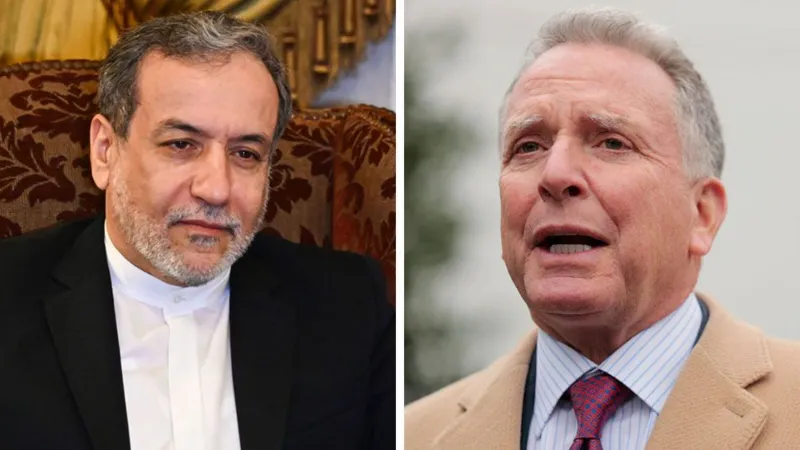
The session, which lasted more than three hours in the Omani capital, Muscat, involved US Middle East Envoy Steve Witkoff and Iranian Foreign Minister Abbas Araghchi.
The talks are part of the fourth round of diplomacy since discussions resumed in April. Both sides agreed to meet again, signaling a shared interest in continuing the dialogue despite deep divisions. US officials described the outcome as encouraging, while Iran characterized the exchange as difficult but beneficial.
Washington continues to demand that Iran abandon its uranium enrichment activities, citing fears that Tehran could be developing a path toward nuclear weapons. Iran strongly denies such ambitions and has reaffirmed that its nuclear program is for peaceful purposes only. Araghchi made it clear that Iran has no intention of ending enrichment altogether, though it may consider adjusting the scale and level to build international confidence.
The talks follow a complex history. In 2018, then-President Donald Trump withdrew the United States from the 2015 nuclear deal — known formally as the Joint Comprehensive Plan of Action (JCPOA) — which had been signed with five other world powers. The agreement had limited Iran’s nuclear activities in exchange for sanctions relief. Since the US withdrawal, Iran has ramped up its enrichment activities, leading to mounting concerns over its nuclear capacity.
According to the International Atomic Energy Agency, Iran has now enriched uranium to 60% purity, a level well beyond the 3.67% limit set by the 2015 deal and dangerously close to the 90% level needed for weapons-grade material. These developments have intensified pressure on both sides to find a resolution before the original deal formally expires later this year.
Despite a more serious and direct tone in the latest round, Iranian officials expressed frustration over what they see as inconsistent messages from Washington. Araghchi pointed to remarks made in the American media demanding full dismantlement of Iran’s enrichment program, saying such public statements harm the credibility of the negotiation process.
Still, both parties seemed to leave the table with a better grasp of each other’s positions, agreeing to continue technical discussions in the near future. Witkoff confirmed that the two sides made progress and said talks will proceed, although the path ahead remains uncertain.
The diplomatic effort comes at a time of heightened regional instability and a more advanced Iranian nuclear program than in previous years. While the prospect of a breakthrough remains distant, the decision to keep negotiating suggests that both nations see potential in resolving their standoff through continued dialogue.