
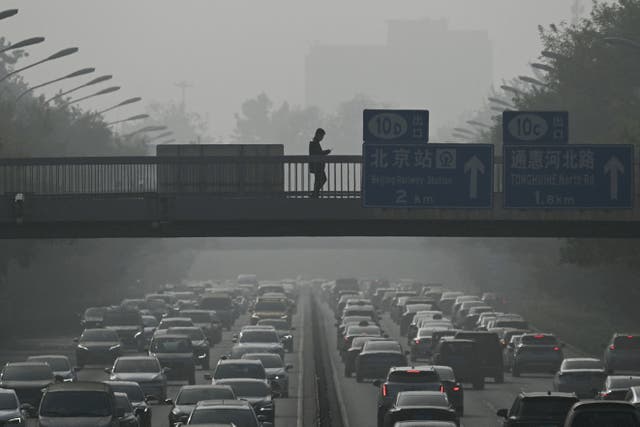
The US State Department is shutting down its global air quality monitoring program after more than a decade of collecting and sharing pollution data from 80 embassies and consulates worldwide.
The decision, attributed to budget constraints, will halt live data reporting, impacting public health research and decision-making for US personnel stationed abroad.
The program, launched in 2008, played a crucial role in tracking PM 2.5 levels—fine particulate matter linked to respiratory diseases and heart conditions. The initiative was particularly significant in Beijing, where the US embassy’s air quality readings revealed pollution levels far worse than China’s official reports. Despite pressure from Chinese authorities to stop the data-sharing, the program continued and eventually led to improvements in China’s air monitoring and pollution control efforts.
Former Environmental Protection Agency chief Gina McCarthy warned that the shutdown could put Americans abroad at risk. “You can’t send people into risky areas without information,” she said, stressing that poor air quality poses health dangers comparable to war zones.
Over the years, the program expanded under the Obama administration, with the US collaborating with foreign governments to address pollution. A 2022 study published in Proceedings of the National Academy of Sciences found that public air quality data from US embassies pushed host nations to take stronger action against pollution.
Although the embassy air monitors will remain operational for now, they will no longer transmit data to the State Department’s app or other public platforms. Without funding to maintain the system, a key source of real-time air quality information is being lost, raising concerns about global pollution tracking and health risks for those living in heavily polluted cities.