
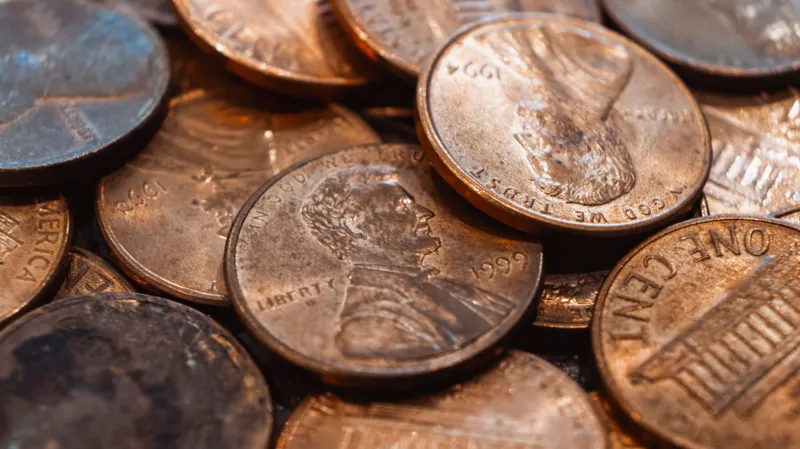
The United States Treasury has officially announced the end of penny production, bringing a close to the coin’s more than 230-year history.
The decision is set to take effect next year, with the US Mint expected to halt production once it uses up its final stock of penny blanks.
The move follows an executive order from President Donald Trump earlier this year, directing Treasury Secretary Scott Bessent to discontinue the penny, labeling it unnecessary and costly. For years, there has been debate over whether the one-cent coin still has a place in the modern economy. Rising production costs and declining cash use have pushed policymakers to finally make the call.
The cost of producing a single penny has climbed significantly, from just over one cent to nearly four cents, according to data from the Treasury. That increase means the government has been losing money every time it mints the coin. The Treasury estimates that stopping production will save the country roughly $56 million annually in material and manufacturing expenses.
Despite the coin’s historical legacy—it was among the first coins produced by the US Mint in 1793—its economic value has steadily declined. Supporters of keeping the penny have argued that it helps maintain low prices and benefits fundraising efforts, but those concerns were ultimately outweighed by the cost.
The Treasury’s announcement confirms that no new orders for penny blanks will be placed. The Mint will continue producing the coin only until its current supply of blanks runs out. After that, pennies will no longer be made.
Retailers and consumers will soon need to adjust. With no new pennies entering circulation, businesses may begin rounding prices up or down for cash transactions. While this could spark concern about price hikes, some point to countries like Canada, which eliminated its one-cent coin in 2012 with minimal disruption.
Other nations have also shifted away from small-denomination coins in response to the rise of digital payments and inflation. The UK, for example, has skipped minting new 2p coins in some recent years, citing high supply and reduced demand.
The end of the penny reflects broader changes in how Americans use money. With more people turning to cards and mobile apps, the role of physical coins has been shrinking. While existing pennies will still be accepted in transactions, their gradual disappearance marks the end of an era in US currency.