
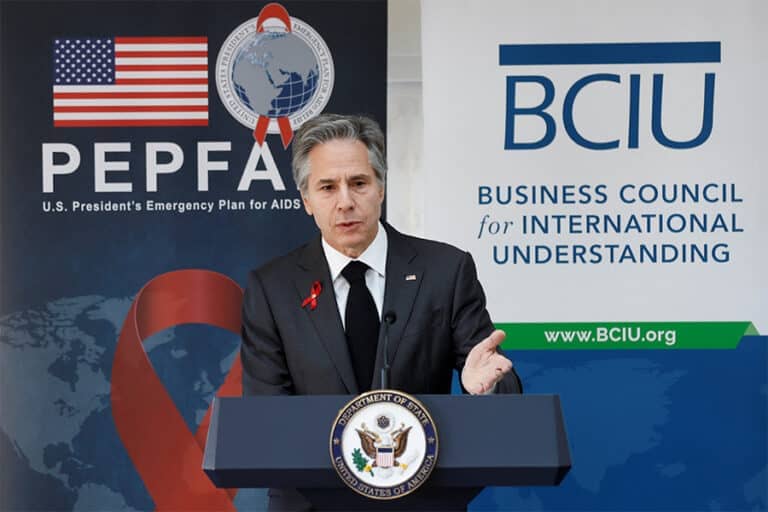
The US Senate has decided not to proceed with proposed cuts to Pepfar, a major HIV/AIDS relief programme backed by the United States.
Originally, the plan included slashing $400 million from the President’s Emergency Plan for AIDS Relief as part of a broader $9 billion rescission bill aimed at reducing government spending.
The funding plan was introduced as a Senate amendment within a larger package that would cancel funds previously approved by Congress.
Alongside Pepfar, the rescissions also target international aid and public broadcasting services such as NPR and PBS.
Support for Pepfar came from both Republican and Democratic senators, many of whom raised concerns over the potential impact of reduced support for HIV/AIDS treatment.
The programme, which was first launched under President George W. Bush, has helped save millions of lives across the globe, especially in African countries where HIV remains widespread.
Republican Senate leaders acknowledged the strong support for maintaining the programme’s funding.
The amendment now moves the bill back to the House of Representatives, where it must pass before a Friday deadline.
Senator Susan Collins of Maine, a Republican, welcomed the decision to remove the proposed Pepfar cuts, though she hasn’t confirmed whether the change secures her full support for the bill.
The White House has signaled approval of the revised version. Budget Director Russell Vought confirmed President Trump is open to signing the bill if it passes in its current form.
Earlier this year, the funding cuts sparked protests, including a demonstration in Washington where activists placed empty coffins on the street to represent lives at risk.
Pepfar’s restoration has been seen as a relief in countries like South Africa, where the programme plays a vital role in delivering HIV medication and healthcare.