
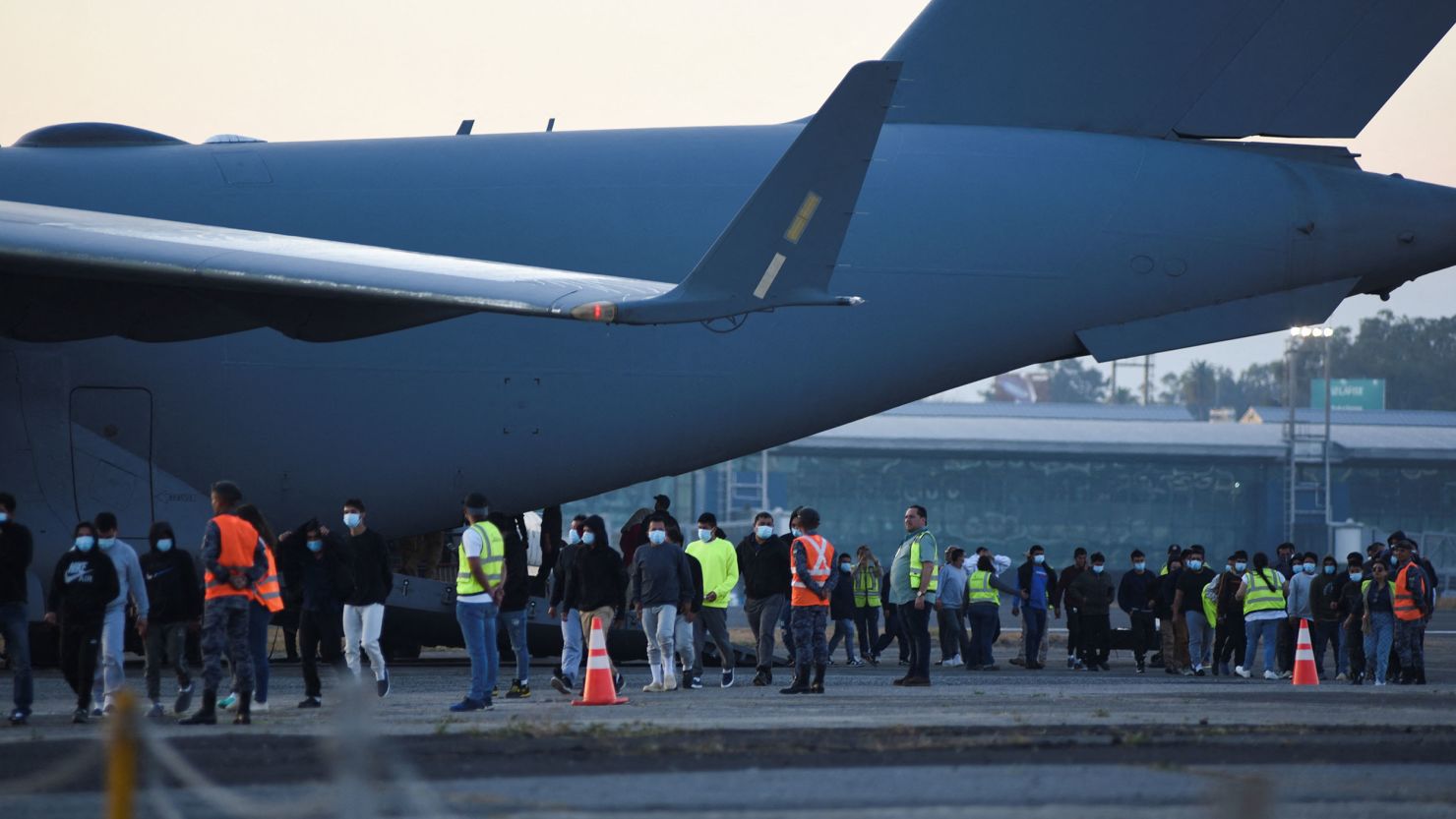
A deportation flight carrying five foreign nationals convicted of severe crimes has landed in Eswatini, a small nation in Southern Africa.
The U.S. Department of Homeland Security confirmed the arrival and identified the individuals as citizens of Vietnam, Jamaica, Laos, Cuba, and Yemen.
These deportees had committed offenses including child rape and murder. Their original home countries declined to receive them, prompting U.S. officials to redirect them elsewhere.
This transfer comes shortly after a ruling from the U.S. Supreme Court that removed prior limits on deporting people to countries other than their own.
That decision has enabled the Trump administration to speed up removals, even in cases where the receiving country has no existing connection to the deportee.
According to a recent memo from U.S. Immigration and Customs Enforcement, individuals can now be deported to these “third countries” with minimal notice—sometimes as little as six hours—provided they are allowed legal consultation and the country receiving them pledges not to harm or persecute them.
Earlier this month, a similar operation deported eight individuals to South Sudan, a country facing ongoing conflict. That flight was first diverted to Djibouti, where the men were held in makeshift detention until they were later flown to South Sudan.
The decision to send people to countries like Eswatini—where they have no personal or legal ties—has drawn concern from human rights groups.
Critics argue that these moves may violate international protections and leave deportees vulnerable in unfamiliar environments.
Eswatini, a landlocked monarchy ruled by King Mswati III since the 1980s, has faced global criticism for its poor human rights record. No official agreement outlining Eswatini’s role in accepting such deportations has been made public.