
The United States has presented a new proposal for a nuclear agreement to Iran, signaling a renewed push for diplomacy even as Tehran ramps up its uranium enrichment activities.
The proposal was delivered via Oman’s foreign minister, who visited Tehran and shared the deal’s contents with Iranian officials, including Foreign Minister Abbas Araghchi.
The move follows recent findings by the International Atomic Energy Agency (IAEA), which reported that Iran now holds more than 400 kilograms of uranium enriched to 60% purity. While still below the 90% threshold needed for weapons-grade material, this level is significantly higher than what is necessary for civilian use and puts Iran much closer to the ability to produce nuclear weapons. According to the IAEA, Iran is enriching uranium at a pace that could yield enough material for one weapon per month.
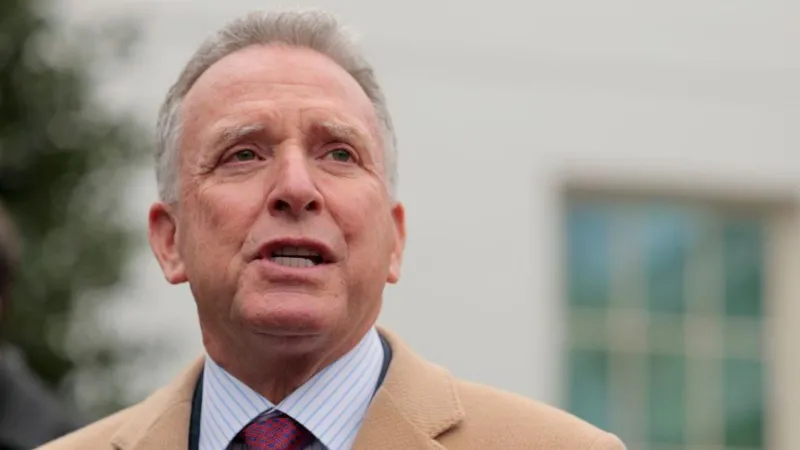
The White House confirmed on Saturday that a detailed offer has been sent to Iran. President Donald Trump’s special envoy, Steve Witkoff, authored the proposal. White House press secretary Karoline Leavitt said the deal would serve Iran’s interests if accepted, reiterating the Trump administration’s stance that Iran must never obtain a nuclear weapon.
Iran responded by stating it will review the proposal and respond in accordance with national priorities. While exact terms of the new proposal have not been made public, key points of contention are expected to remain—especially over whether Iran will be allowed to continue enriching uranium at any level.
Tensions are further complicated by Iran’s refusal to allow full access to IAEA inspectors and its lack of transparency about the scope and intent of its nuclear programme. The agency has reported that it cannot verify the peaceful nature of Iran’s activities due to these restrictions. Iran, however, dismissed the IAEA’s latest findings as biased and politically driven.
The backdrop to this diplomatic effort is a years-long standoff over Iran’s nuclear ambitions. In 2015, Iran and six world powers—including the US—agreed to the Joint Comprehensive Plan of Action (JCPOA), which aimed to restrict Iran’s nuclear programme in exchange for relief from economic sanctions. That deal began to unravel in 2018 when President Trump withdrew the US, arguing that the JCPOA failed to address issues like Iran’s missile programme and regional activities.
Since then, Iran has steadily moved beyond the original deal’s restrictions. With uranium now enriched far beyond civilian needs, Western countries have raised alarms over potential violations of Iran’s non-proliferation commitments. The US and European allies may now press for the IAEA’s board of governors to formally find Iran in breach of those obligations.
Despite years of tension and failed attempts to restore the JCPOA, the current diplomatic channel, led with Omani mediation, marks a significant step. Still, there remains deep uncertainty over whether a new deal can be reached—or if the confrontation will escalate further.
The situation grows more urgent as US intelligence suggests Iran could develop weapons-grade uranium in under two weeks if it chooses, and possibly assemble a nuclear weapon within a few months. President Trump, while favoring a diplomatic solution, has not ruled out military action if talks collapse.