
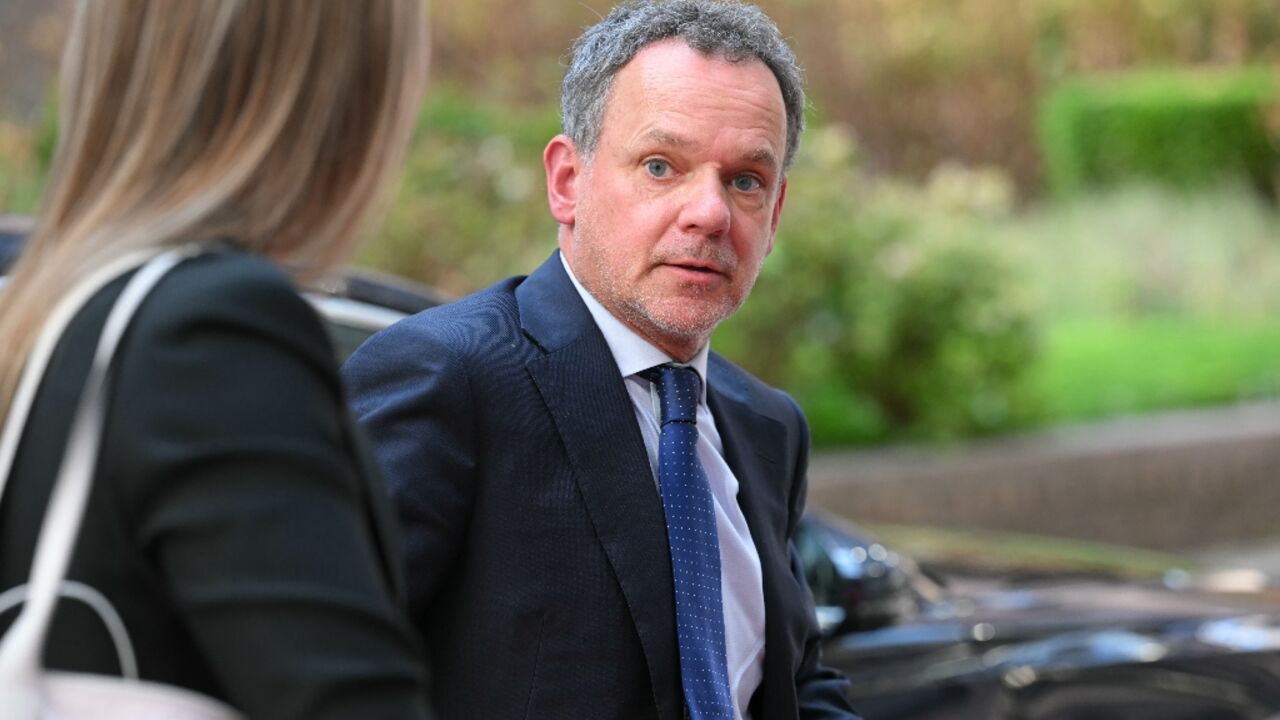
Dutch Foreign Minister Caspar Veldkamp resigned on August 22, 2025, after failing to gain cabinet support for new sanctions against Israel.
The decision followed weeks of internal disputes within the caretaker government over how to respond to Israel’s ongoing military campaign in Gaza and settlement expansion in the West Bank.
Veldkamp had pushed for measures that included banning products from Israeli settlements and reassessing trade agreements with Israel.
However, his proposals were opposed by coalition partners VVD and BBB, leaving him without the political backing he needed.
His departure also triggered the withdrawal of other ministers from his New Social Contract (NSC) party, deepening the country’s political crisis.
The move came on the same day international monitors confirmed famine in Gaza City, with aid groups warning of worsening humanitarian conditions as Israel restricted access to supplies.
The timing added pressure on European governments, many of which are facing protests over their handling of the conflict.
In The Hague, demonstrations earlier this year drew tens of thousands calling for sanctions and stronger action.
Veldkamp, who previously served as ambassador to Israel, had argued that the Netherlands had both a legal and moral duty to respond.
His stance won support from rights groups but also created rifts within the cabinet, which had already been weakened by coalition disagreements.
Prime Minister Dick Schoof now faces the task of steering a caretaker administration with reduced authority until Dutch voters head to the polls in October.
Analysts say Veldkamp’s exit not only leaves a gap in foreign policy but also exposes divisions in how European countries approach Israel’s war in Gaza.