
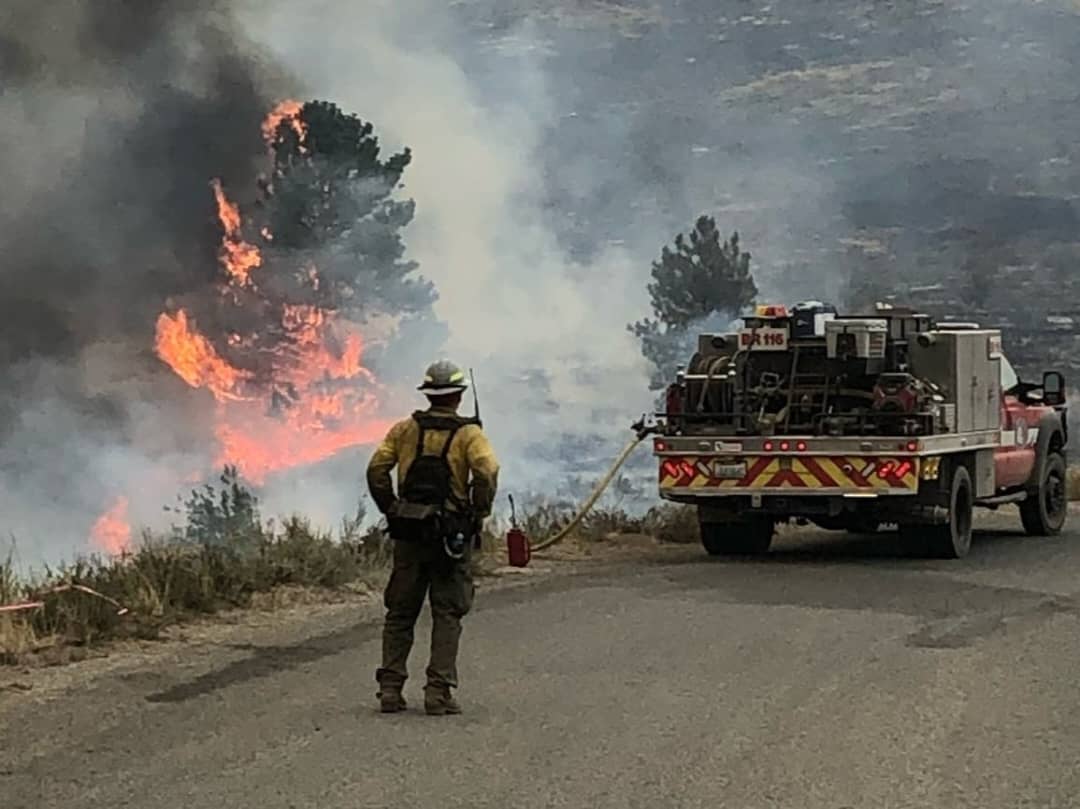
A devastating wildfire in Cyprus has claimed the lives of two people after a burned-out vehicle was found near the affected area.
The blaze swept across 100 square kilometers of forest and hillside near the southern slopes of the Troodos Mountains, forcing thousands from their homes and destroying multiple properties.
Authorities first located one body inside a charred vehicle late Wednesday along the Monagri-Alassa road.
A second body was discovered early Thursday morning in the same car.
Police are currently working to confirm the identities of the victims.
Photos shared online show the vehicle reduced to a blackened shell by the roadside.
Although there are no active fire fronts at the moment, fire crews continue to fight flare-ups in various areas.
Winds are expected to rise later in the day, possibly making efforts harder. Up to 14 aircraft have been mobilized to drop water on inaccessible locations.
Cyprus’ Justice Ministry confirmed that more than 100 evacuees are being housed in temporary shelters.
Fourteen villages stretching across a 14-kilometer area were cleared as flames spread rapidly through dry terrain. In the village of Lofou, around 20 homes were destroyed.
A group of evacuees had to turn back after a police bus convoy was cut off by shifting fire lines.
Video footage and images from Wednesday night showed trees and brush burning brightly under the dark sky, while homes were left smoking and damaged in the aftermath.
Roads leading to affected villages remain closed. Local residents have expressed frustration over the emergency response, citing delays and lack of coordination.
International help has arrived. Spain sent two firefighting aircraft, while Jordan contributed two helicopters already stationed on the island.
A British Royal Air Force Chinook helicopter based in Cyprus is also aiding the efforts.
Limassol Municipality and the Apollonas football club opened up emergency housing, offering apartments and a sports facility to shelter evacuees.
The country had been on high fire alert this summer due to three years of low rainfall.