
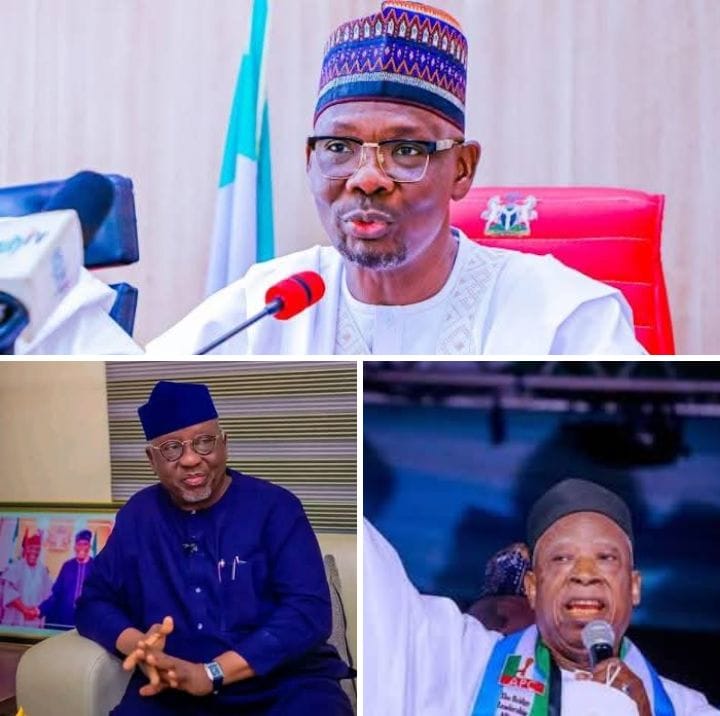
As the rallying drums for the 2027 governorship election in Nasarawa State beat louder, an internal debate within the ruling All Progressives Congress (APC) over zoning arrangements is threatening party unity and exposing fault lines among key political stakeholders.
The central question is whether the APC should agree on a zoning formula that rotates the governorship among the state’s three senatorial districts. The Nasarawa West zone featuring Keffi and surrounding areas argues it is now its turn after Nasarawa North and South have held the office in recent years. Proponents say zoning preserves equity, strengthens peace, and prevents domination by any single region.
However, the zoning issue has evolved from a technical arrangement to a politically charged flashpoint. Some party actors warn that overemphasis on zoning could undermine merit and worsen intra‑party divisions, especially if not balanced with acceptability and popularity of candidates.
Governor Abdullahi Sule remains at the heart of the zoning discussion. While insisting he supports a free, fair, and transparent primary process, he has also acknowledged that zoning will play a role in guiding APC’s strategy and unity ahead of 2027. Sule has been consulting across zones but has not formally settled the zoning position, saying a decision will be communicated at the appropriate time.
Stakeholders from Nasarawa South declared their loyalty to Governor Sule and pledged to follow his direction when he eventually announces party decisions related to zoning and candidacy.
Former Governor and Senator Umaru Tanko Al‑Makura presided over some of these meetings, signaling that even seasoned politicians in the party are rallying around the sitting governor’s leadership on this matter.
Senator Umaru Tanko Al‑Makura, a former governor and influential APC elder, remains an important figure within the party. But sources close to party structures suggest that Al‑Makura is aligned with initiatives that tend to question or resist rigid zoning prescriptions, placing him on a different side from traditional zoning proponents.
Political commentators note that this has created subtle tensions between him and the governor’s camp over the 2027 strategy.
Political analysts believe unresolved disagreements over zoning could create fractures within the APC, especially as aspirants begin positioning themselves early.
With party members from different zones increasingly vocal about their interests, there is concern that unresolved zoning arrangements could dampen the APC’s cohesion and create opportunities for opposition parties to exploit internal divisions.
Governor Sule’s leadership is key: His final guidance on zoning and candidate backing is widely regarded as decisive for party unity.
Stakeholder consultations continue across zones to forge consensus long before the 2027 primaries.
Senator Al‑Makura’s influence, though considerable, appears now more strategic and advisory than directly controlling party mechanisms within Nasarawa APC.
As Nasarawa’s ruling party navigates these choppy political waters, unity and strategic leadership will determine whether the APC can present a cohesive front leading into the pivotal 2027 governorship election.
between those advocating rotation and those focused on other selection criteria is the defining issue ahead of the APC’s 2027 contest in Nasarawa. Governor Sule’s leadership and eventual decisions on zoning and endorsements are central to whether the party stays united or experiences deeper internal divisions.
Nasarawa Daily News