
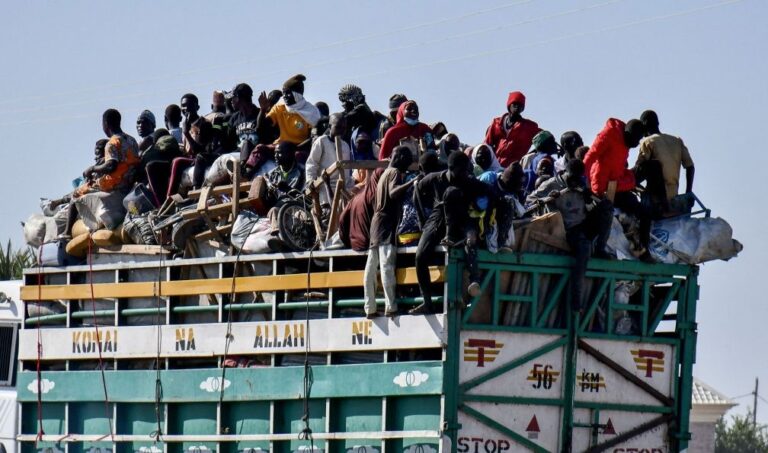
At least 25 million Nigerians require humanitarian assistance annually, the humanitarian minister, Bernard Doro, says.
The minister stated this on Friday in Calabar at the maiden edition of the National Council on Humanitarian Affairs and Poverty Reduction.
The minister further noted that about 60 per cent of the nation’s population lived in multidimensional poverty, and that the capacity of sub-regional governments to handle this challenge should be strengthened, as they remained at the frontline.
“Nigeria today faces stark realities. Over 25 million citizens require humanitarian assistance annually, while more than 60 per cent of the population lives in multidimensional poverty.
“States and local government areas are at the frontline of these challenges, and their capacity must be strengthened through financing, skills development, data integration, and institutional support, enabling locally led and context-specific solutions,” he stated.
Mr Doro added that Nigeria’s humanitarian and poverty challenges could no longer be addressed in silos, by isolated actors, or through fragmented interventions.
According to him, they demand coordination, coherence, and collective responsibility across all levels of government and society.
He said the council is the institutional vehicle for delivering the ministry’s vision of ‘One Humanitarian, One Poverty Reduction System’.
He explained that the system is designed to harmonise interventions, eliminate duplication, align humanitarian response with poverty reduction, and ensure that all actors operate within a unified national framework.
Similarly, Yusuf Sununu, the deputy humanitarian minister, said the government is open to ideas and solutions that would improve the lot of the people.
Peter Odey, the deputy governor of Cross River, said the state government will continue to do its best, within available resources, to mitigate challenges associated with the humanitarian crisis.
(NAN)