
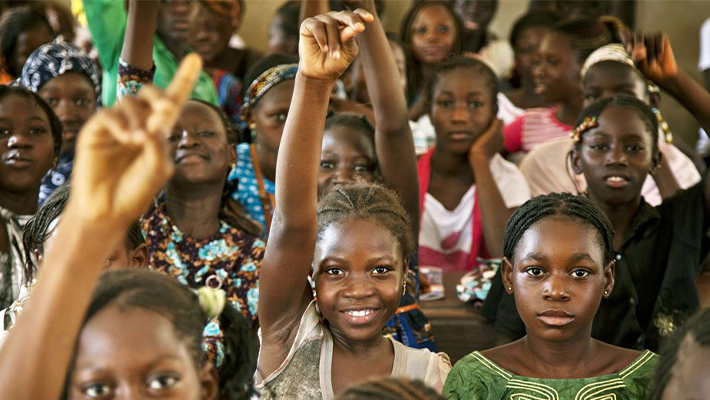
About 5.8 million refugee children were out of school worldwide in 2025, the United Nations Refugee Agency (UNHCR) said on Friday.
In its latest annual education report, Pathways to the Future: Education, Opportunity and Self-Reliance, the agency estimates that 5.8 million, or 44 per cent of the world’s 13.1 million school-aged refugee children, were out of school last year.
It said the transition to secondary education was particularly difficult for refugee girls, with poverty, protection risks and early marriage among the factors pushing adolescent girls out of school.
UNHCR noted refugee tertiary enrolment reached a record 11 per cent in 2025, up from nine per cent in 2024, with more than 450,000 refugees enrolled in higher education.
It said the increase kept the agency and its partners on track towards its target of 15 per cent refugee enrolment in higher education by 2030.
However, UNHCR said access to higher education remained unequal, with refugee enrolment below the national average in more than 80 per cent of reporting countries.
It explained that in low-income and conflict-affected countries, only two per cent of refugees were enrolled in higher education, compared with 13 per cent of nationals.
The agency urged governments, international communities and development partners to protect funding for refugee education and invest in national education systems in refugee-hosting countries.
“Education is protection. But it is also a pathway to opportunity and self-reliance,” said UN High Commissioner for Refugees Barham Salih.
“At a time of severe pressure on humanitarian and development financing, cuts to education risk reversing decades of collective investment and closing opportunities for a generation of young people.”
“Our ambition must go beyond keeping children in classrooms. Displacement should not determine the limits of a child’s life.”
Mr Salih emphasised that children must be provided with opportunities to build their future towards self-dependence, regardless of whether they return home or remain in the countries hosting them.