
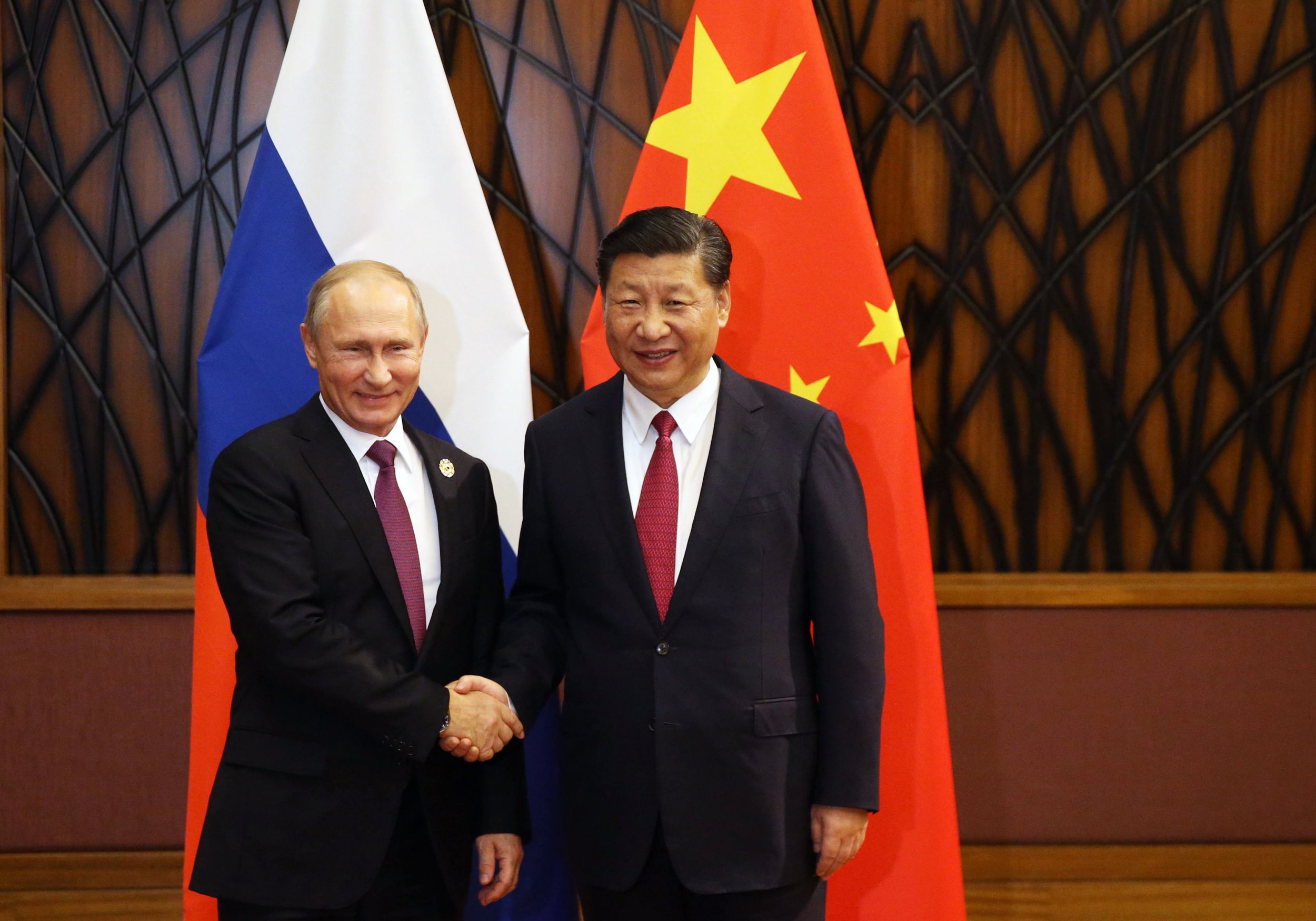
Russia and China have rejected speculation that US President Donald Trump is adopting a “reverse Nixon” approach to foreign policy, particularly regarding their countries.
The “Nixon to China” theory suggests that a conservative US president could facilitate improved relations with China due to their anti-communist credentials.
Dmitry Peskov, Kremlin spokesman, dismissed the idea, saying, “No matter who comes to power in the United States, the relations between the two countries are not going to be very good.” Peskov emphasized that US policy towards Russia is driven by strategic goals that are not dependent on individual presidents.
Chinese Foreign Minister Wang Yi also downplayed the significance of Trump’s presidency, stating, “The China-US relationship has its own laws, and it is not determined by any individual.” Wang Yi’s comments were made during a meeting with visiting US Senator Jeff Merkley.
The Chinese and Russian stance reflects their skepticism about the potential for improved relations with the US under Trump’s leadership. Both countries have been critical of US foreign policy and are wary of any attempts to improve ties that might be seen as concessions.
In response to speculation about Trump’s approach, analysts have noted that the current state of international relations is complex, with multiple factors influencing diplomatic efforts. The relationship between the US, Russia, and China continues to evolve, with ongoing tensions and competition in various areas.