
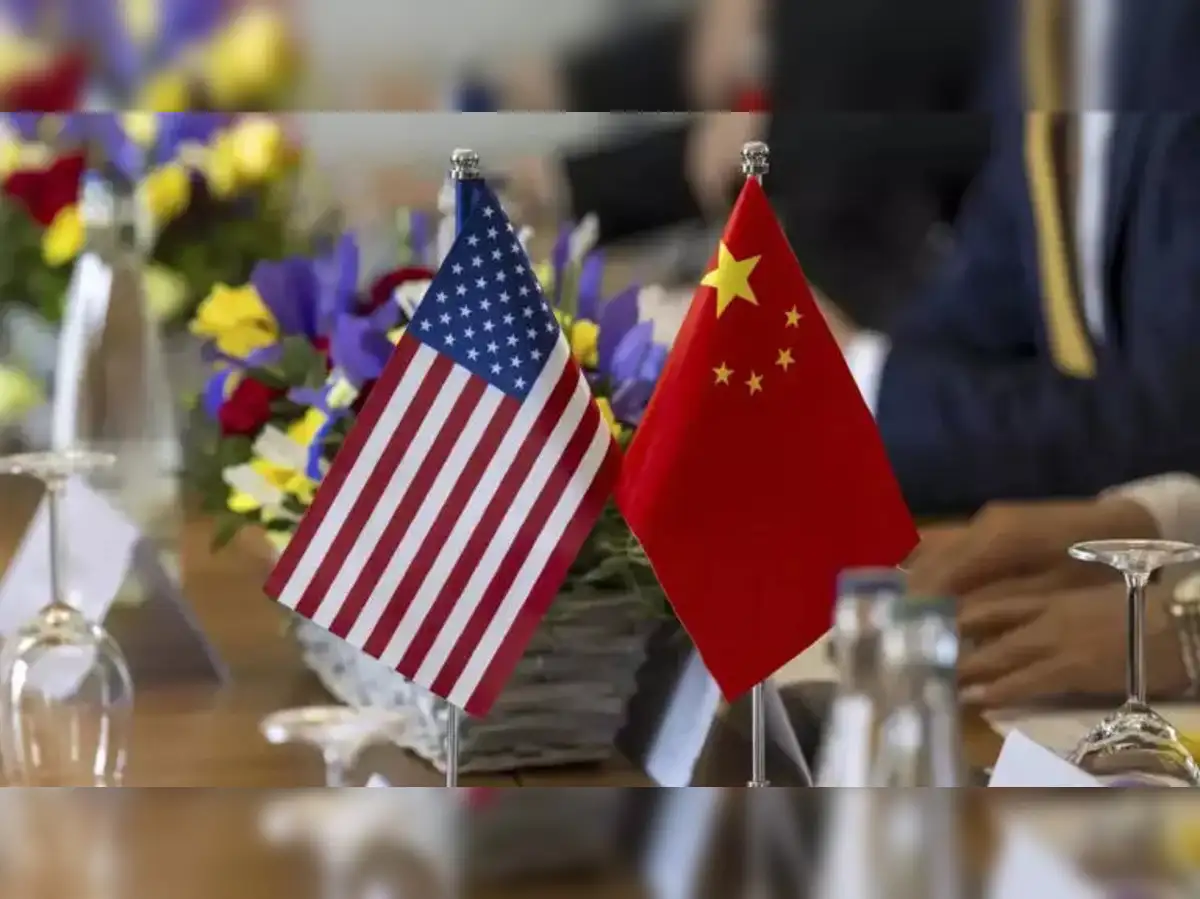
The recent trade truce between the United States and China has left one crucial issue unresolved—rare earth magnet exports essential for U.S. defense systems.
Despite talks in London aimed at easing tensions, no progress was made on securing Beijing’s approval for the export of certain high-grade rare earth materials used in American fighter jets and missile systems, according to individuals familiar with the matter.
These specialized magnets, made from rare earth elements, are critical in building advanced military hardware. U.S. suppliers rely on Chinese exporters for materials that are difficult to source elsewhere.
However, China has not agreed to resume or permit the necessary export clearances, keeping a key supply chain risk in place.
The dispute over rare earths is part of a broader strategic and economic competition between the two nations.
While both sides agreed to pause further trade escalations and keep communication open, this sticking point on defense-related materials continues to pose a major challenge to any comprehensive agreement.
At the same time, the U.S. has not backed away from its existing controls on exports to China, particularly on advanced artificial intelligence chips.
These chips have both commercial and military uses, prompting Washington to maintain restrictions to prevent their possible deployment in Chinese defense programs.
Additionally, U.S. officials are exploring options to extend current tariffs on Chinese goods, another point that may complicate future negotiations.
Though the truce avoids an immediate increase in trade tensions, the failure to reach consensus on military-use materials signals ongoing friction in critical sectors.
The path to a wider and lasting trade agreement remains uncertain unless both countries address these security-sensitive issues.