
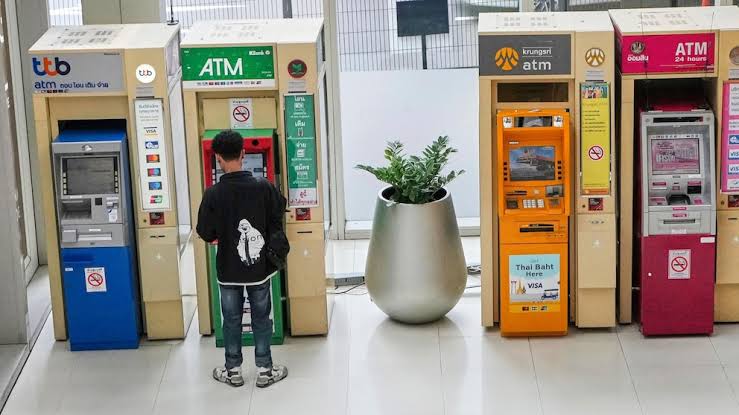
Thailand has introduced a new regulation limiting daily online transfers for individual bank accounts to 50,000 baht, roughly $1,537, in response to rising financial scams targeting digital banking users.
The Bank of Thailand (BOT) has categorized customers into three risk tiers based on transaction history and potential exposure to fraud.
Tier 1 users, typically new or low-transaction customers, face the 50,000 baht cap, while Tier 2 and Tier 3 customers may have higher limits subject to bank assessment under Know Your Customer (KYC) rules.
This policy comes after alarming statistics in June 2025 revealed 24,500 financial scams nationwide, causing losses exceeding 2.8 billion baht ($86.1 million).
The measure aims to prevent large-scale financial losses and protect vulnerable groups, including the elderly and minors, from increasingly sophisticated fraud operations.
The BOT has also required that banks, e-payment platforms, digital asset companies, telecom providers, and social media platforms share liability for damages arising from technology crimes unless they can demonstrate compliance with regulatory standards.
The policy will be enforced immediately for new users and phased in for existing customers by the end of the year.
While some customers worry that the limit may restrict access to their funds, authorities maintain that the restriction is designed to enhance security without unnecessarily limiting legitimate transactions.
The initiative reflects Thailand’s commitment to strengthening digital financial security, safeguarding consumers, and adapting to the challenges of a rapidly expanding online banking environment.