
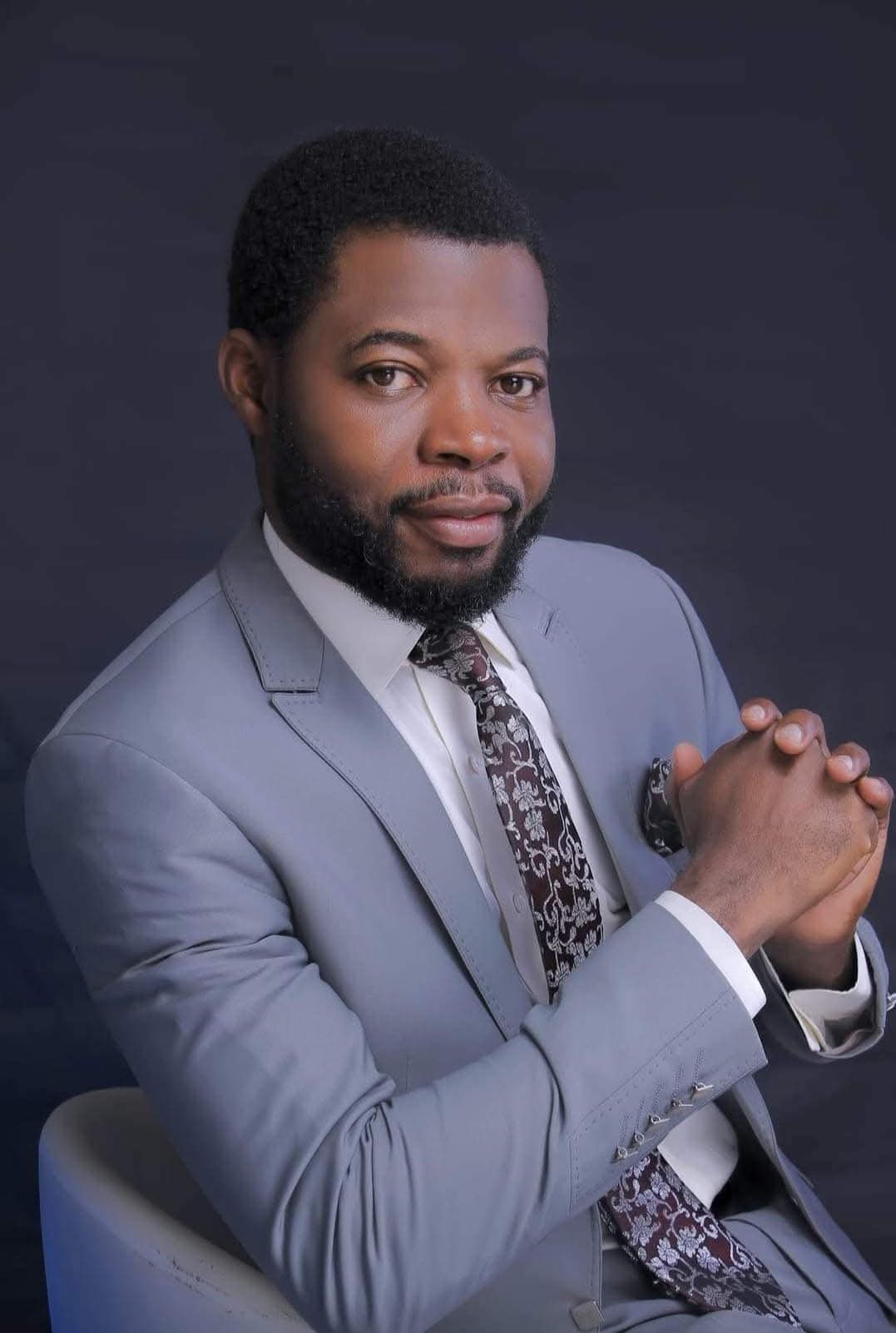
By Aaron Mike Odeh
In politics, ideas often travel a long and winding road before finding validation. Some are dismissed as alarmist when first raised; others are quietly shelved, only to resurface when circumstances force a national reckoning. Such is the compelling journey of Honorable Clement Jimbo’s early warning on the growing distortion of police deployment in Nigeria—an argument that began from the fringes of policy debate but has now echoed powerfully on the floor of the National Assembly.
What once sounded like a lone voice has now matured into an institutional concern, elevated by the Senate President himself, Godswill Akpabio, during the 2026 budget presentation by President Bola Ahmed Tinubu before the National Assembly of Nigeria.
The Early Warning from the Margins
Long before it became fashionable to question the over-concentration of police officers around VIPs and political office holders, Honorable Clement Jimbo had raised a red flag. His argument was simple but profound: a nation battling rising insecurity could not afford to turn its police force into personal orderlies for the political elite while ordinary citizens remained exposed.
At the time, Jimbo’s position was seen by some as idealistic, even disruptive. The prevailing culture had normalized the sight of long convoys, sirens cutting through traffic, and dozens of armed officers assigned to protect a single individual—sometimes at the expense of entire communities left without adequate policing. Jimbo insisted that this imbalance was not only unjust but dangerous, warning that it eroded public trust and weakened frontline security.
A System Under Strain
Nigeria’s security architecture has for years groaned under the weight of multiple demands: terrorism, banditry, kidnapping, communal clashes, and urban crime. Yet, despite these pressures, a significant portion of police manpower remained tied down to VIP protection duties—often permanently.
Jimbo’s early intervention challenged this logic. He argued that security should be citizen-centered, not privilege-centered. In his view, the state’s monopoly of force must be deployed where it delivers the greatest public good, not where it merely flatters power.
That argument, initially brushed aside, would gain renewed relevance as budgetary pressures mounted and the cost of governance became a dominant national conversation.
Akpabio Picks Up the Thread
Fast forward to the 2026 budget presentation. In a moment that surprised many observers, Senate President Godswill Akpabio used the high-profile platform to appeal directly to President Tinubu on the need to reconsider the widespread withdrawal of police officers from general duties to serve VIPs and political office holders.
Akpabio’s intervention was not casual. It was deliberate, pointed, and framed within the broader context of national security and fiscal responsibility. He emphasized that Nigeria could no longer afford a policing system skewed toward elite comfort while communities cried out for protection.
For those familiar with the policy debates of recent years, Akpabio’s words sounded strikingly familiar. The substance, tone, and urgency mirrored the concerns earlier articulated by Honorable Clement Jimbo—now amplified by the authority of the Senate Presidency.
From Idea to Institutional Voice
The significance of Akpabio’s appeal lies not only in what was said, but in where it was said. The National Assembly floor represents the apex of legislative legitimacy. For an idea to reach that space is to move from advocacy to agenda.
Jimbo’s warning had completed that journey.
What changed? First, the security situation worsened, making the cost of misallocated manpower impossible to ignore. Second, economic realities forced a hard look at efficiency and value for money. Third, public resentment toward elite excess had grown louder, creating a political climate receptive to reform.
In this convergence of factors, Jimbo’s once-marginal argument found fertile ground.
Tinubu’s Reformist Lens
President Tinubu’s administration has repeatedly signaled its willingness to confront long-standing structural inefficiencies, even when politically uncomfortable. Akpabio’s appeal fits neatly into this reformist narrative—one that prioritizes sustainability, equity, and institutional strength over old privileges.
While no immediate policy shift was announced on the floor, the symbolism was unmistakable. The issue has now entered the highest level of national discourse, where decisions shape doctrine.
Why This Moment Matters
The withdrawal—or rationalization—of police protection for VIPs is not merely an administrative adjustment. It speaks to the soul of governance: who the state exists to protect, and how.
By revisiting this issue during the budget presentation, Akpabio underscored its fiscal implications. Every officer tied to a convoy is an officer unavailable to patrol a community. Every unit assigned to private comfort is a unit absent from public safety.
Jimbo understood this early. Akpabio articulated it forcefully. Tinubu must now weigh it decisively.
A Vindication of Foresight
In the end, this is a story of vindication. Honorable Clement Jimbo may not have commanded the spotlight when he first raised the alarm, but history has a way of rewarding foresight. His warning, once peripheral, has become central—echoed by the Senate President before the nation’s leader.
It is a reminder that in democracy, ideas matter. They may begin at the edges, spoken by those willing to challenge comfort and convention. But when grounded in truth and necessity, they eventually find their way to the center.
From the fringes to the floor, the message is clear: Nigeria’s security must return to the people. And the conversation that began with one voice now belongs to the nation.
Aaron Mike Odeh, A Public Affairs Analyst, Media Activist and Community Development Advocate, Write from Post Army Housing Estate Kurudu Abuja