
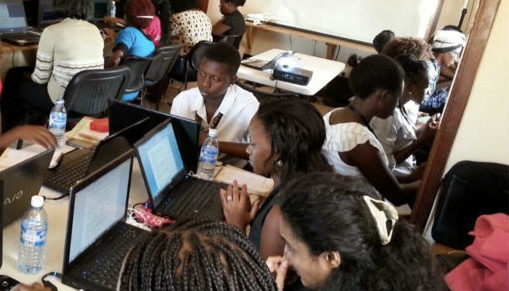
A university don, Ronke Sakpere, says African countries must adopt an inclusive, human-centred approach to bridge the continent’s wide digital divide, particularly between urban and rural communities.
Ms Sakpere of the Department of Computer Science, University of Ibadan, said Africa’s digital gap was not only about poor infrastructure but also about the exclusion of rural communities from technology design and decision-making processes.
The founder of the Girls in Tech Club explained that most digital solutions were designed for urban users, making them less relevant to rural populations whose languages, cultures, and lived realities were often ignored.
According to her, technologies that do not reflect rural realities often suffer low adoption rates and fail to create a sense of ownership among intended users.
She said that urgent steps to ensure inclusive and affordable digital access across Africa included expanding rural broadband infrastructure, reducing the cost of data and digital devices, and improving access to reliable electricity.
Ms Sakpere also said that participatory, human-centred design approaches that actively involve both rural and urban stakeholders were equally important to achieving meaningful digital inclusion.
On digital skills development, Ms Sakpere noted that infrastructure alone was insufficient to drive Africa’s digital transformation, stressing the need to deliberately build skills among young people and marginalised groups.
She said that mentorship programmes, innovation challenges, hackathons, and boot camps could help nurture digital talent.
According to her, Africa has a large pool of talented youth who lack access to opportunities, training resources, funding, and real-world exposure.
Ms Sakpere further stated that Africans who had benefited from digital training and global exposure should be supported to give back through train-the-trainer models, peer mentorship, and community-based learning initiatives.
She cautioned against over-reliance on external actors, urging African countries to invest more in local people and institutions to achieve sustainable digital transformation.
According to her, fostering a culture of mentorship, community engagement, and skills sharing would help digital knowledge spread more inclusively and reach groups often left behind.
“In summary, building Africa’s digital skills ecosystem depends on expanding access to opportunities, empowering local talent to mentor others, and promoting community-driven approaches that ensure long-term and inclusive digital growth,” Ms Sakpere said.
(NAN)