
By Aaron Mike Odeh
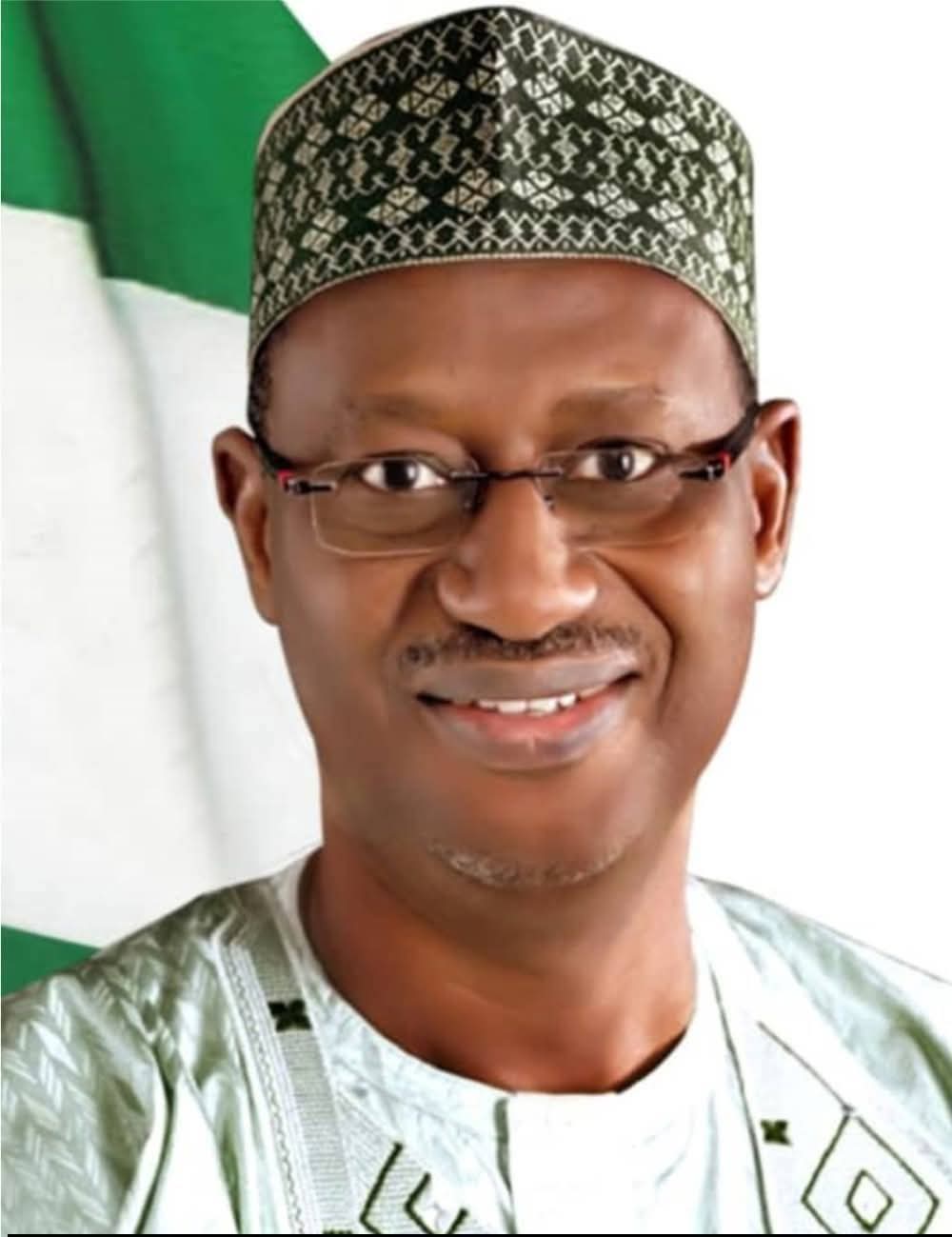
When a President pauses to celebrate a minister, it transcends a personal courtesy and becomes a national statement. President Bola Ahmed Tinubu’s heartfelt birthday tribute to the Honourable Minister of Housing and Urban Development, Arc. Ahmed Musa Dangiwa, stands as a powerful endorsement of leadership, competence, and transformative governance in Nigeria’s evolving development journey. It signals recognition not only of individual excellence but also of the critical role housing plays in shaping the nation’s economic stability, social dignity, and future growth.
At a time when Nigerians increasingly demand leaders who convert vision into tangible results, Dangiwa’s recognition reflects the rising importance of housing as a cornerstone of national renewal under the Renewed Hope Agenda. Housing is far more than shelter; it is a foundation for human dignity, economic empowerment, employment creation, security, public health, and national pride. By commending Dangiwa’s leadership, President Tinubu reinforces a broader national narrative — that Nigeria is committed to addressing its housing deficit with professionalism, innovation, and accountability.
Arc. Ahmed Musa Dangiwa embodies a rare fusion of technical mastery, financial expertise, and policy execution. As a trained architect and seasoned housing finance expert, his career has been shaped by a resolute commitment to expanding access to affordable housing for Nigerians across social and economic classes. His impactful tenure as Managing Director of the Federal Mortgage Bank of Nigeria (FMBN) demonstrated his ability to reform institutions, strengthen mortgage systems, and expand homeownership opportunities for ordinary citizens. Rather than treating housing as a political slogan, Dangiwa approaches it as a strategic national mission — one that demands performance, sustainability, and measurable impact.
Under the Tinubu administration, housing occupies a central position in the Renewed Hope Agenda, intersecting economic revitalization, urban renewal, and social equity. With Dangiwa at the helm, the Ministry of Housing and Urban Development is implementing an ambitious roadmap that emphasizes large-scale affordable housing delivery, private sector–driven mass housing partnerships, expanded mortgage accessibility for low- and middle-income earners, urban regeneration, slum transformation, youth employment through construction-led growth, and the promotion of local building materials to reduce costs. This integrated approach reflects a leadership philosophy that sees housing not only as a social responsibility but also as a powerful engine for economic expansion.
A defining feature of Dangiwa’s leadership is his execution-driven mindset. Under his stewardship, long-abandoned housing projects have been revived, new developments launched, and reform frameworks strengthened to ensure accountability and real-world results. His ministry has embraced data-driven planning, transparency, intergovernmental collaboration, and investor-friendly policies — hallmarks of a modern, forward-looking public institution. This shift represents a departure from past inefficiencies and offers Nigerians renewed confidence that housing promises can indeed become housing realities.
Beyond social impact, housing development under Dangiwa’s vision is positioned as a major economic catalyst. The sector stimulates more than 40 allied industries, including cement production, steel manufacturing, engineering, transportation, banking, and real estate services. By promoting local material production, innovative construction technologies, and improved financing frameworks, the ministry is helping to lower building costs, expand investment opportunities, and generate employment. In a nation striving for economic diversification and sustainable growth, housing is no longer peripheral — it is central to Nigeria’s development strategy.
Equally significant is Dangiwa’s commitment to social inclusion and human dignity. His housing initiatives prioritize civil servants, security personnel, youth, first-time homeowners, low-income families, vulnerable populations, urban poor communities, and displaced persons. By expanding access to decent shelter, the ministry contributes to improved health outcomes, educational stability, safer communities, and enhanced quality of life for countless Nigerians. This inclusive approach reinforces the principle that national progress must uplift the many, not the few.
Public trust in governance is built on visible results, and President Tinubu’s commendation of Dangiwa sends a powerful message that performance, integrity, and accountability are valued at the highest levels of leadership. Dangiwa’s reputation for discipline, transparency, and stakeholder engagement has strengthened partnerships with state governments, private developers, financial institutions, international development agencies, housing cooperatives, and investors. This collaborative governance model reflects a progressive public service culture designed to deliver sustainable national impact.
Despite Nigeria’s daunting housing deficit — estimated at over 20 million units — Dangiwa’s forward-looking reforms provide a pathway toward meaningful progress. Rising construction costs, land acquisition challenges, mortgage accessibility barriers, and rapid urbanization remain pressing concerns. However, innovative financing models, land policy advocacy, digital housing registries, and green building initiatives under his leadership offer hope for a scalable, future-ready housing sector capable of transforming Nigeria’s urban landscape.
President Tinubu’s birthday tribute to Arc. Ahmed Musa Dangiwa is therefore more than a celebration of age; it is a recognition of service, reform, and national contribution. For Dangiwa, this milestone symbolizes an ongoing mission — to turn Nigeria’s housing crisis into a historic opportunity for renewal, prosperity, and social transformation. If sustained, his legacy may well be remembered as that of the architect who reshaped Nigeria’s housing destiny, strengthened the Renewed Hope Agenda, and helped millions of Nigerians secure a place they can proudly call home.
Aaron Mike Odeh
A Public Affairs Analyst, Media Consultant and Community Development Advocator wrote from Post Army Housing Estate Kurudu.