
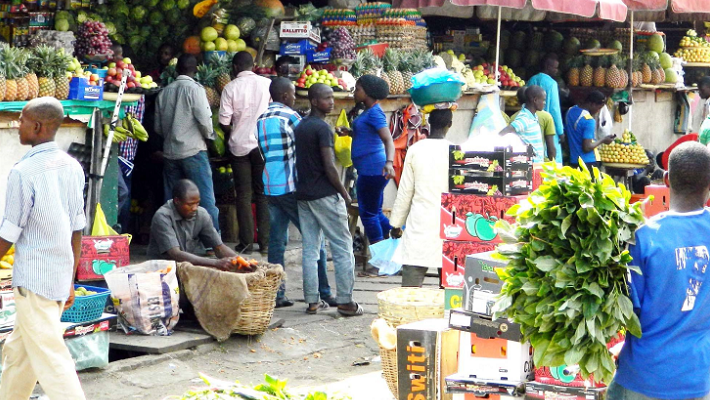
Some residents in Abuja have decried the high food prices in most restaurants. A market survey conducted across major markets in the FCT showed that while the prices of several staples declined after the festive season, some food items remained expensive.
The residents spoke on Wednesday in Abuja.
Checks indicated notable price drops in several food items between November 2025 and January 2026.
Simon Uzor, a resident, said that food prices had reduced, while the food vendors refused to lower theirs.
Another resident, Uju Phlip, said that the cost of a plate of food within the city was still high despite the reduction in prices of foodstuffs and transportation.
“I hardly eat outside because with that amount, I should be able to make a good meal at home.
“Some business owners like to take advantage of Nigerians in all situations, not minding how it affects the citizens or their business,” she said.
Also, Yusuf Ali urged the authorities responsible for price control to take steps to address the situation.
“I believe if food prices are reduced, the prices of food in restaurants should also be reduced. Even buka restaurants are doing the same; we need to caution ourselves,” he said.
A civil servant, Wale Johnson, said the lowest food price in his office area was N4,500 per plate.
“I earn N165,000 every month. I have not added transportation and house rent, and I am married with children who need to eat and go to school. I appeal to the government to look into our matter because it is not easy to survive,” he said.
A businesswoman in Wuse market, Marie Nwafor, said her concern was the high transportation fares despite the reduction in fuel prices.
“What is happening? Fuel prices have fallen, but taxi drivers have not reduced theirs. Transport unions need to talk to their members; the hardship is too much,” she said.
Bisi Ojo said that some CNG drivers still charge high fares, which is unfair to citizens.
“Fares of cars with CNG are supposed to be lower, but they take advantage of the situation. I recently ordered a ride and needed to put something in the trunk, only to discover it was a CNG-powered car, but the fare was for the normal petroleum car.
“I asked him, and he said that if I was not comfortable, I should cancel the ride. Relevant authorities need to check these drivers,” she said.
Ms Ojo said that some of the CNG-powered cars that were given stickers removed them just to charge more.
(NAN)