
The Economic Community of West African States (ECOWAS) is emphasizing the importance of free movement of persons and labour mobility in driving regional integration and unlocking the potential of the African Continental Free Trade Area (AfCFTA).
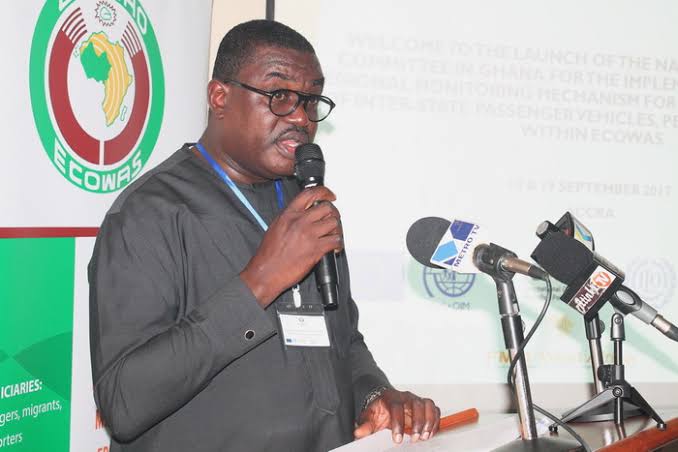
Mr. Albert Siaw-Boateng, ECOWAS Director of Free Movement of Persons and Migration, highlighted the link between human mobility and regional integration, citing the ECOWAS Free Movement Protocol adopted in 1979 and revised in 1993.
“The Free Movement Protocol is a core element of our regional integration agenda, aiming to create a borderless region where citizens can move, reside, and establish businesses freely,” Mr. Siaw-Boateng said.
The protocol has been implemented in three phases, focusing on the right of entry, residence, and establishment. ECOWAS has made progress in implementing the protocol, with the right of entry being fully implemented.
However, challenges persist, including limited labour inspection for migrant workers, weak social protection portability, and insufficient labour market information sharing.
To address these gaps, ECOWAS is implementing various programmes, such as the EU-funded “Support to the Free Movement & Migration of Persons” project and the Regional Labour Migration Statistics Programme.
“Labour mobility can support industrial development, address skills gaps, and promote women and youth inclusion,” Mr. Siaw-Boateng noted.
ECOWAS aims to align free movement with labour standards and protections, leveraging initiatives like the ECOWAS National Biometric Identity Card and digital labour mobility systems.
The regional bloc is committed to strengthening labour migration governance, ensuring the benefits of integration are shared equitably among member states.