
The Association of Petroleum Producers’ Organisation says African Energy Bank is being positioned to raise about $15 billion to finance oil and gas projects in Africa by 2030.
APPO said the bank, which would begin full operations in Abuja by June, was expected to create over 500,000 direct jobs in the local midstream.
APPO secretary-general, Farid Ghezali, disclosed this on Tuesday in his remarks at the official opening of the 2026 edition of the Nigeria International Energy Summit at the State House, Abuja.
AEB is a joint initiative of APPO member states and the African Export-Import Bank, established with an initial capital of $5 billion.
Its core mandate is to mobilise domestic and regional capital for energy infrastructure, reduce Africa’s reliance on external financing, and align energy investments with the continent’s long-term development and industrialisation goals.
“The AEB will unify intra-African pricing for gas and oil, allowing our member countries to achieve savings of up to 30 per cent on their energy imports, a potential gain of $1.4 billion for Africa,” he said.
Mr Ghezali said, despite the continent’s immense potential, Africa was facing a paradoxical and frustrating reality: exporting about 70 per cent of its crude oil and 45 per cent of its natural gas while losing $15 billion a year.
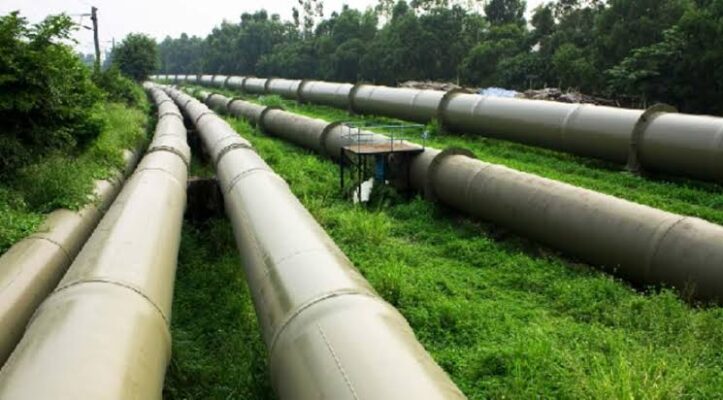
He said financing remained the main bottleneck hindering the development of the continent’s strategic projects, adding that over 150 essential projects, from refineries to pipelines, such as the Ajeokuta-Kaduna-Kano pipeline, to gas infrastructure, remained blocked.
To address this anomaly, the APPO secretary-general said the AEB was designed to unlock the 200 billion needed for the continent’s midstream and downstream projects by 2030.
Mr Ghezali disclosed that the bank would allow the listing of shares in national oil companies across the continent and in flagship projects, such as the Dangote Refinery or the AKK gas pipeline.
He explained that it would also connect Africa’s certified projects to the world’s largest sovereign wealth funds and capital markets through structured equipment and public-private partnerships.
The chairman of the Independent Petroleum Producers Group, Adegbite Falade, said Nigeria must build an energy industry that can sustain itself and deliver lasting value to Nigerians through collaboration and consolidation rather than fragmentation.
Mr Falade said that since the 2025 edition of the summit, Nigeria’s oil and gas industry had recorded notable progress across the entire value chain, adding that the upstream had scaled up liquid production, while gas production had grown significantly.
He, however, urged the federal government to continue creating an industry that could harness the driving force of private capital to build our industry infrastructure.
Mr Falade said, “Without this, we will not be able to reach the massive gap in potential that we have to meet in our contribution to the nation’s GDP.”
(NAN)