
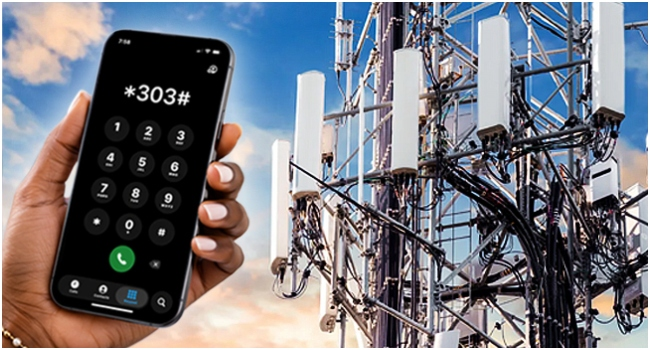
Telecom subscribers across Nigeria have regained access to emergency airtime advance services following the return of platforms by major operators, including Airtel Nigeria and Globacom, after a regulatory setback for the Federal Competition and Consumer Protection Commission.
The restoration of the services follows the suspension of the Commission’s Digital, Electronic, Online or Non-Traditional Consumer Lending (DEON) Regulations 2025, which had temporarily restricted airtime lending operations in the country.
The development comes after a Federal High Court in Lagos ordered a halt to the enforcement of the regulations, pending the determination of a legal challenge questioning the FCCPC’s authority over telecom-based credit services.
Confirming the return of the services, the Chairman of the Wireless Application Service Providers Association of Nigeria, Ayo Stuffman, said both Airtel and Glo had reactivated the airtime lending platforms.
According to him, “As we speak, the services in question are already active on Airtel and Glo.”
The return of the service has brought relief to millions of subscribers who rely on emergency airtime credit for communication and small business activities, with industry estimates placing the sector at over ₦400 billion annually.
The FCCPC had earlier introduced the DEON Regulations 2025 to bring airtime lending under its oversight, arguing that such services fall within digital consumer credit and must be regulated to prevent abuse, including privacy breaches and unfair lending practices.
The Commission also claimed it had received thousands of complaints linked to digital lending platforms.
However, telecom stakeholders, including industry associations, opposed the move, insisting that airtime advances are value-added telecom services rather than conventional loans, sparking a regulatory dispute.
The legal battle escalated after the court issued an order restraining the FCCPC from enforcing the framework, with contempt proceedings reportedly initiated against the Commission’s leadership.
Following the ruling, FCCPC spokesperson Ondaje Ijagwu confirmed that the Commission had suspended implementation of the regulations in compliance with the court order, while also indicating plans to challenge the decision.
He stated that the agency remains committed to defending its legal position through appropriate judicial channels.
Industry players have described the development as a temporary relief for the telecom sector but warned that continued uncertainty over regulation could affect investor confidence and sector stability.
For now, subscribers can once again access airtime advances, though the final outcome of the court case is expected to determine the long-term regulatory direction of Nigeria’s digital lending space.