
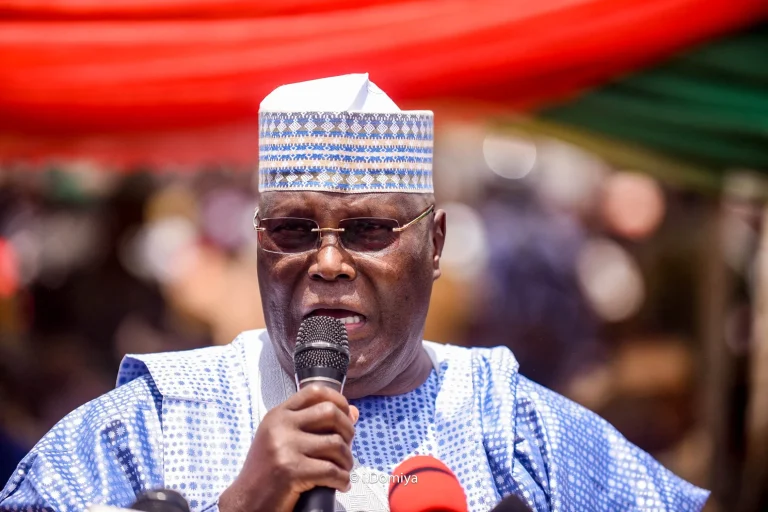
The camp of the presidential candidate of the African Democratic Congress (ADC), Atiku Abubakar, has rejected allegations by former Secretary to the Government of the Federation, Babachir Lawal, that the party’s presidential primary was manipulated.
Lawal, who announced his resignation from the ADC on Monday, had claimed that Atiku influenced the outcome of the party’s primary election. He questioned the credibility of the process and described the exercise as flawed.
Responding to the allegation, Atiku’s media team, through his Senior Special Assistant on Public Communication, Phrank Shaibu, dismissed the claims as baseless and lacking evidence.
According to the statement, the ADC primary reflected the collective decision of party members nationwide and was conducted across numerous wards in a transparent manner. The camp argued that Lawal failed to provide any documents, witnesses or verifiable proof to support his accusation that the process was rigged.
The statement further accused the former SGF of attempting to tarnish the image of the party and undermine the democratic choices made by thousands of members across the country.
Atiku’s camp also questioned Lawal’s position, noting that he had not objected to the same primary process in Adamawa State, where his relative, Omar Suleiman, emerged as the ADC governorship candidate.
It argued that Nigerians would naturally wonder why the process was considered acceptable when it favoured a member of his family but suddenly became questionable when it produced a presidential candidate he did not support.
The former Vice President’s team also revisited controversies surrounding Lawal’s tenure under the administration of former President Muhammadu Buhari, including the 2017 “grass-cutting” contract scandal that led to his removal from office. Lawal has repeatedly denied any wrongdoing in the matter.
The statement maintained that Lawal’s dissatisfaction stemmed from the outcome of the election rather than concerns about electoral integrity, stressing that democracy guarantees participation but not victory.
Shaibu further criticised what he described as attempts to inject ethnic and religious sentiments into the debate after efforts to secure support for a preferred candidate failed.
According to him, such narratives do not address the country’s pressing challenges, including insecurity, unemployment and economic hardship.
Defending Atiku’s suitability for office, the camp said Nigerians are familiar with his public service record, business experience and advocacy for economic reforms. It added that the 2027 presidential election would ultimately be decided by voters based on issues affecting governance and national development rather than disputes arising from party primaries.
The statement concluded that post-primary grievances would not change the outcome of the ADC presidential contest, insisting that the decision now rests with the Nigerian electorate.