
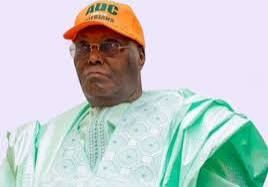
Former Vice President, Atiku Abubakar, has cautioned the African Democratic Congress (ADC) against selecting a presidential flagbearer based on social media appeal, warning that Nigeria’s leadership challenges require experience and proven capacity rather than online visibility.
Speaking through a statement issued by his Senior Special Assistant on Public Communication, Phrank Shaibu, Atiku told delegates of the African Democratic Congress that the 2027 presidential race demands strategic thinking and tested leadership if the party hopes to unseat President Bola Tinubu.
He argued that the country is currently weighed down by economic hardship, insecurity, rising debt levels, and weakening institutions, insisting that such conditions leave no room for what he described as political experimentation.
According to him, “Nigeria cannot afford a leadership that learns on the job,” stressing that governance requires preparation, structure, and long-standing public service experience.
Without directly mentioning any opponent, the former vice president criticised the growing reliance on online popularity in political contests, noting that elections are ultimately determined by organisation, reach, and political strength rather than digital attention.
He maintained that the presidency is not a stage for improvisation or popularity contests, urging the ADC to present a candidate with credibility, nationwide acceptance, and the ability to mobilise support across regional and demographic divides.
Atiku further described the 2027 election as a defining moment for the country, saying the opposition party must carefully evaluate whether it seeks symbolic participation or genuine electoral victory.
He challenged delegates to reflect on the kind of leadership Nigeria needs at a time of widespread hardship, asking whether the party intends to “make a statement or make a president.”
The former presidential candidate also referenced his record in government, pointing to economic reforms under the Obasanjo–Atiku administration, including privatisation policies, fiscal restructuring, and debt relief efforts, as evidence of his governance experience.
He concluded by urging party stakeholders to look beyond sentiment and personal ambition, insisting that only a candidate with political resilience, national spread, and coalition-building ability can mount a successful challenge in 2027, adding that history would judge their decision.