
By Abasi Ita
For decades, residents of Bomu in Gokana Local Government Area of Rivers State lived with a paradox that reflected the environmental challenges of the Niger Delta. Although surrounded by rivers and creeks, access to clean and safe drinking water remained a persistent struggle.
Years of environmental degradation linked to oil exploration polluted traditional water sources, forcing residents to depend on unsafe streams, shallow wells and costly water vendors. The consequences were severe, ranging from frequent outbreaks of waterborne diseases to economic hardship for families already grappling with limited resources.
Today, the community is witnessing a remarkable turnaround.
The Centre for Environment, Development and Sustainability Initiative (CEDSI) has helped change the narrative through a potable water project that is improving public health, easing economic pressures and enhancing the quality of life for residents.
Community members say the intervention has significantly reduced dependence on contaminated water sources that previously exposed families to illnesses such as cholera, typhoid fever and diarrhoea.
The impact extends beyond health benefits. Women and girls, who often bore the responsibility of sourcing water for their households, now have more time to devote to education, small businesses and other productive activities. Residents say the development has reduced daily stress and opened new opportunities for social and economic advancement.
Families are also benefiting financially. Money that was once spent purchasing water can now be invested in farming, petty trading and other income generating ventures, helping to strengthen household economies.
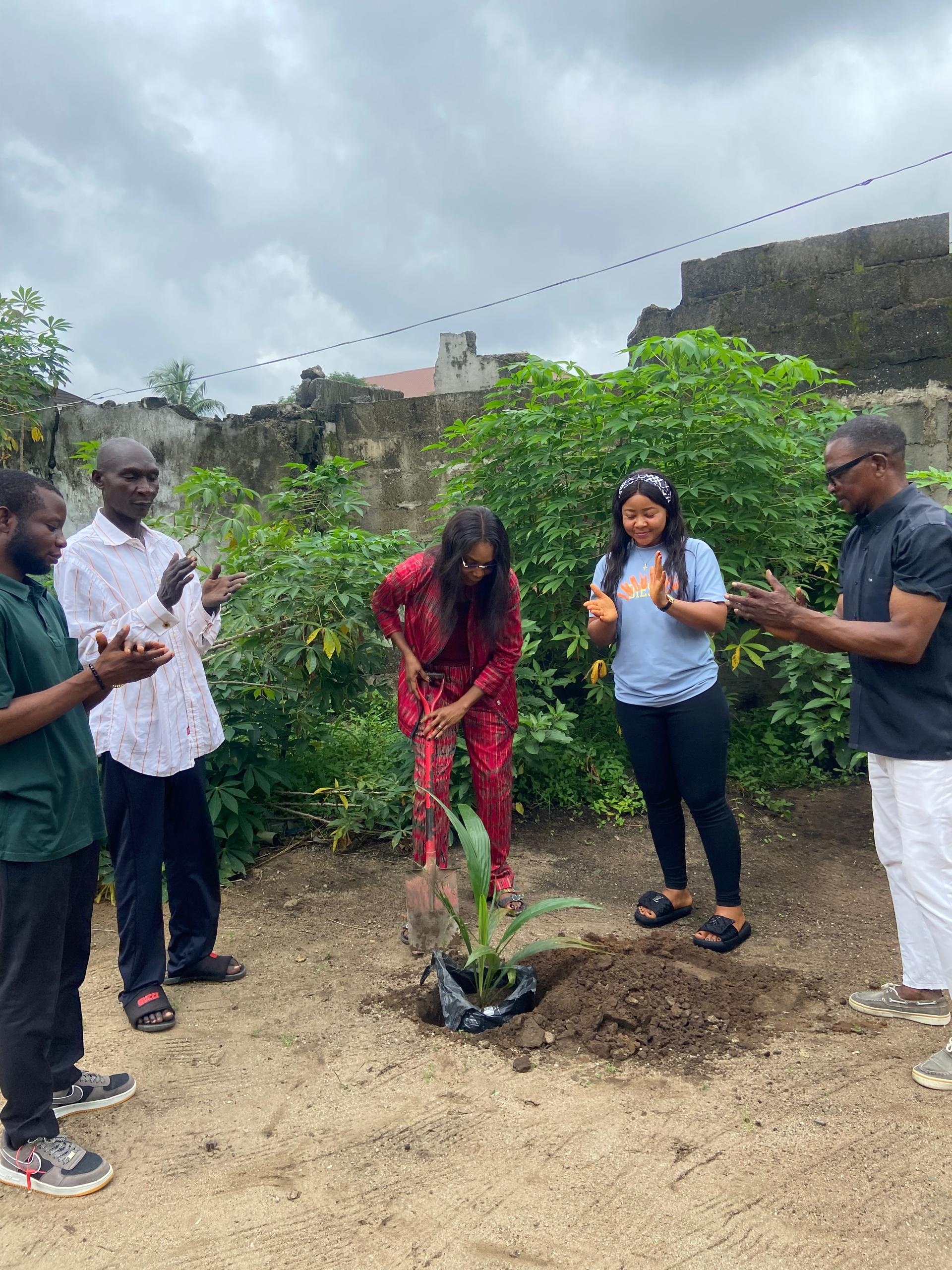
While access to potable water has brought renewed hope to the community, CEDSI is also encouraging environmental stewardship through a tree planting campaign aimed at restoring the local ecosystem.
The initiative formed part of activities marking this year’s World Environment Day and attracted participation from community leaders, stakeholders and residents.
Speaking during the event, CEDSI Founding Executive Director, Professor Mina Ogbanga, stressed the need for collective action in protecting the environment.
”Environmental sustainability is a shared responsibility. Governments, development partners, communities and individuals all have critical roles to play in protecting and restoring our environment for future generations,” she said.
Professor Ogbanga noted that environmental restoration goes beyond planting trees, emphasizing that it requires a long term commitment to preserving natural resources and promoting sustainable practices.
As part of the exercise, economic palm trees and indigenous tree species were planted across the community to support environmental restoration and climate resilience efforts.
The programme builds on CEDSI’s collaboration with the United Nations Development Programme Global Environment Facility Small Grants Programme, which supports projects focused on sustainable environmental management and community development.
CEDSI Project Coordinator, Mr Joseph Egba, said lasting environmental progress depends largely on active community participation and continuous awareness creation.
”Community ownership is essential to the success of every intervention. When people are equipped with the right knowledge and skills, they become active partners in protecting their environment and sustaining development gains,” he said.
Egba added that empowering local residents remains central to the success of environmental restoration initiatives and the Smart Agricultural Project being implemented in the area.
Residents who participated in the event described the intervention as timely and impactful.
Community Compliance Officer, Mr Ayo Alana, commended CEDSI for addressing a long standing challenge in the area.
”For many years, access to clean water was one of our greatest challenges. Today, our people can access potable water, and that has brought relief to families and improved the overall quality of life in the community,” he said.
Alana noted that the intervention represents an important milestone in Bomu’s journey toward sustainable development.
For many residents, the twin interventions represent more than the provision of basic amenities. They symbolize a pathway to improved health, economic growth and environmental recovery.
As newly planted trees begin to grow and clean water continues to reach households, Bomu is emerging as an example of how targeted community interventions can restore hope and create lasting change in the Niger Delta.
”The story of Bomu shows that when communities receive the right support, transformation is possible. Clean water and environmental restoration are helping to build a healthier and more sustainable future for our people,” Alana added.