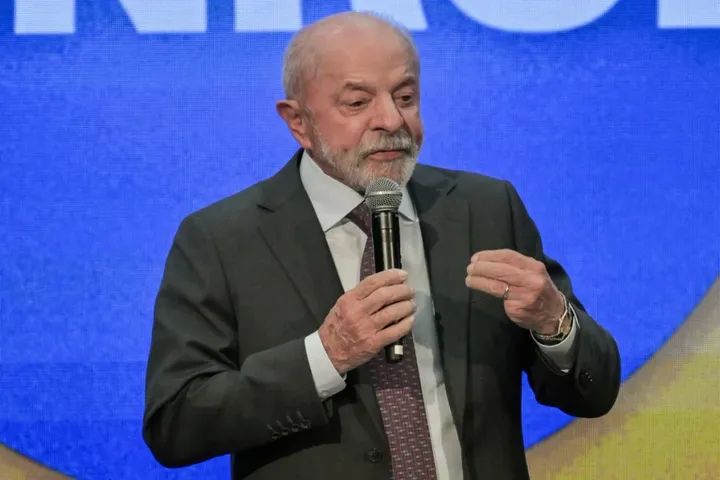
Brazil’s President Luiz Inacio Lula da Silva on Friday banned sports betting sites, the biggest sponsor of the country’s football clubs, just days before a nail-biter election in which he is seeking a fourth term.
Gambling has exploded in Brazil in recent years, dragging many into debt, and opinion polls show strong voter opposition to the industry, which Lula has labelled a “cancer.”
“It is no longer possible to deposit money into betting sites in the country,” said Finance Minister Dario Durigan, announcing the ban at an event alongside Lula.
The initiative is the latest in a flurry of moves made by Lula before a first round of voting on October 4, as he stands neck-and-neck with right-wing Senator Flavio Bolsonaro in the polls.
Brazil’s betting market has boomed since a regulatory framework was established in 2023, accompanied by aggressive advertising both on the streets and online from influencers and sports stars.
Thirteen of the country’s 20 first division football clubs have an online betting site as their main shirt sponsor. And soccer stars like Neymar and Vinicius Junior are among the most prominent faces in advertising for the industry.
According to a government statement, 85 licenses have been granted for betting, each valued at 30 million reais ($5.7 million), which will not be refunded.
Durigan said that new advertising contracts for betting companies were also immediately banned, while current contracts would be void after October 6.
As of that date, there will be no “site, no application and no legal sponsorship of bets in the country,” he said.
Powerhouse football club Flamengo called the move a “heavy blow to Brazilian sports,” warning it could impact not only professional football, but youth academies, women’s soccer, Olympic sports and various championships.
“Brazil spent years debating how to regulate sports betting,” the club said in a statement. “One cannot establish a rule, induce companies and institutions to make commitments based on it, and then, overnight, overhaul the entire regulatory framework.”
Brazil’s President Bans Sports Betting