
The Central Bank of Nigeria has announced plans to pull about N2.83 trillion currently circulating outside formal banking channels into the financial system as part of a new digital payment reform agenda.
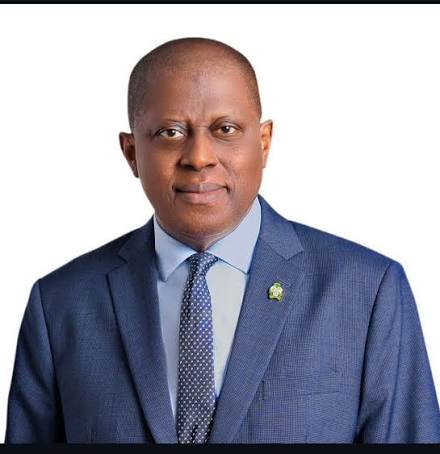
The initiative, unveiled by the CBN Governor, Olayemi Cardoso, in Abuja on Monday, is contained in the Nigeria Payments System Vision 2028, a roadmap aimed at expanding digital transactions, reducing reliance on cash, and strengthening financial inclusion across the country.
The plan also seeks to increase financial inclusion to 95 per cent by 2028, which the apex bank says would bring about 50 million additional Nigerians into the formal financial sector through bank accounts or digital wallets.
According to the CBN, a large share of Nigeria’s currency remains outside the banking system despite previous reforms. The bank said it intends to cut cash outside formal channels to below 40 per cent of total money in circulation within the next three years.
Based on current estimates, this would significantly reduce the N5.08tn cash currently held outside banks and return a large portion into regulated financial institutions.
Officials say the move is expected to improve monetary policy effectiveness, increase liquidity in the banking sector, and strengthen credit flow to businesses and households.
The announcement comes ahead of the 2027 general elections in Nigeria, where concerns around cash-driven politics, vote buying, and campaign financing have remained recurring issues.
The Independent National Electoral Commission has already fixed election dates for early 2027, while policymakers continue to warn that excessive cash circulation could fuel inflation and undermine economic stability.
Cardoso said the new framework goes beyond technology, describing it as a national strategy to reshape how Nigerians transact, save, and invest.
He stressed that a strong payment system is essential for reducing poverty and expanding economic opportunities, noting that improved digital infrastructure would help businesses and individuals participate more effectively in the economy.
He also reiterated that cash dependence must reduce, insisting that “cash should no longer be king” in a modern economy.
Under the Vision 2028 plan, the CBN aims to raise financial inclusion levels to 95 per cent, adding tens of millions of new users, particularly traders, farmers, and young people, into the formal financial system.
The apex bank said this would help deepen economic participation, boost savings culture, and improve access to credit.
The reform is built around five key pillars: payment infrastructure and interoperability, digital financial inclusion, innovation and emerging technologies, cross-border payment systems, and stronger regulation and cybersecurity.
The framework also aligns with regional trade ambitions under the African Continental Free Trade Area, with plans to strengthen cross-border payments and position Nigeria as a key financial hub in Africa.
Officials say successful implementation will depend heavily on collaboration between regulators, banks, fintech companies, telecom operators, and other stakeholders in the financial ecosystem.