
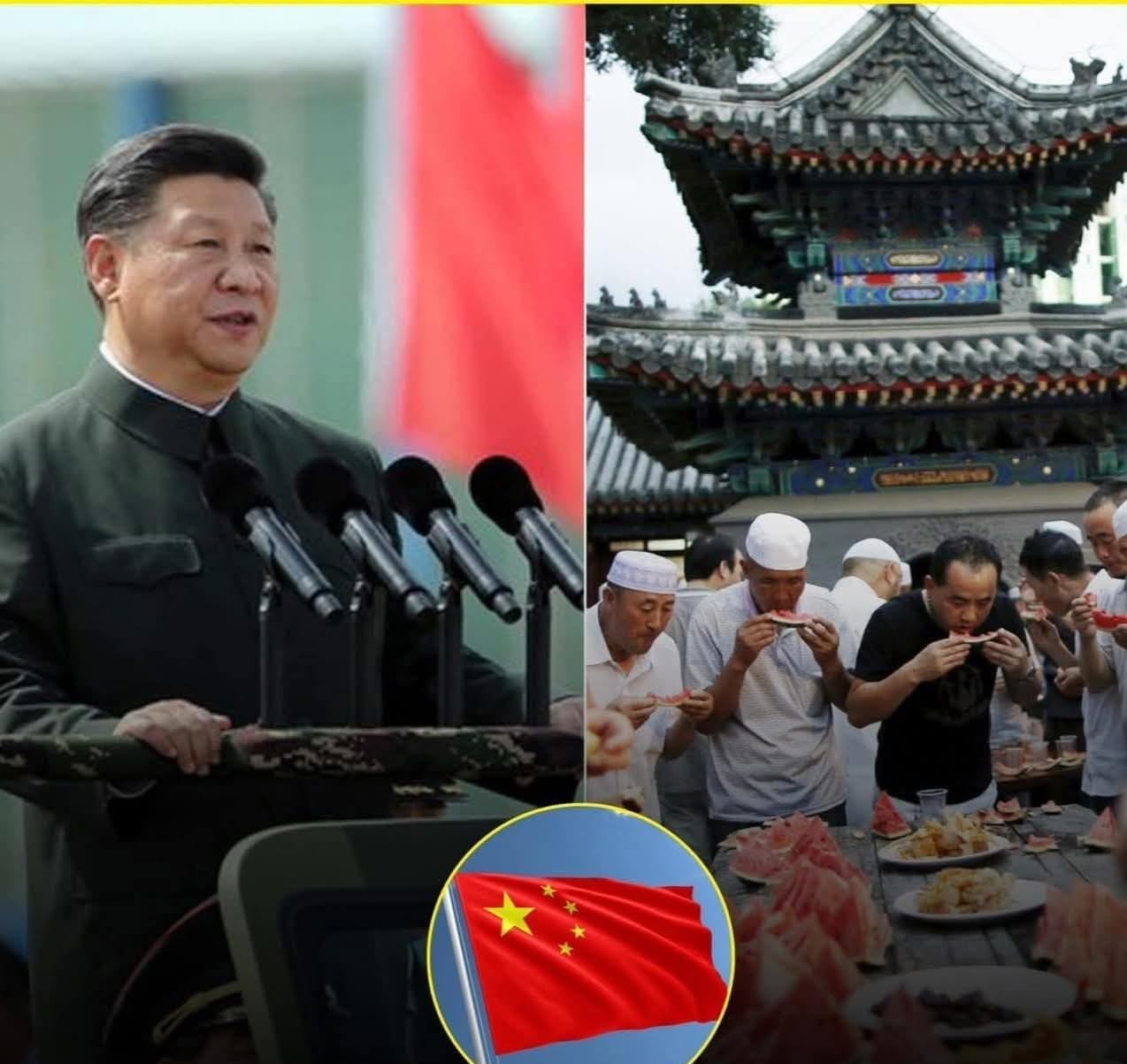
China has banned civil servants, students, and teachers in its mainly Muslim Xinjiang region from fasting during Ramadan, with officials citing regional policies as the reason. The restrictions, which also order restaurants to stay open, have sparked international debate and criticism from rights groups.
According to reports, the education bureau of Tarbaghatay city has instructed schools to inform students that they should not fast, enter mosques, or attend religious activities during Ramadan. Similar orders have been posted on government websites in other parts of Xinjiang.
Dilxat Rexit, a spokesman for the exiled World Uyghur Congress, condemned the ban, saying, “China’s goal in prohibiting fasting is to forcibly move Uighurs away from their Muslim culture during Ramadan. Policies that prohibit religious fasting are a provocation and will only lead to instability and conflict.”
The Chinese government has defended its actions, stating that it faces a “terrorist threat” in Xinjiang and blaming “religious extremism” for the growing violence in the region. However, Uighur rights groups argue that the restrictions are adding to ethnic tensions in the region.