
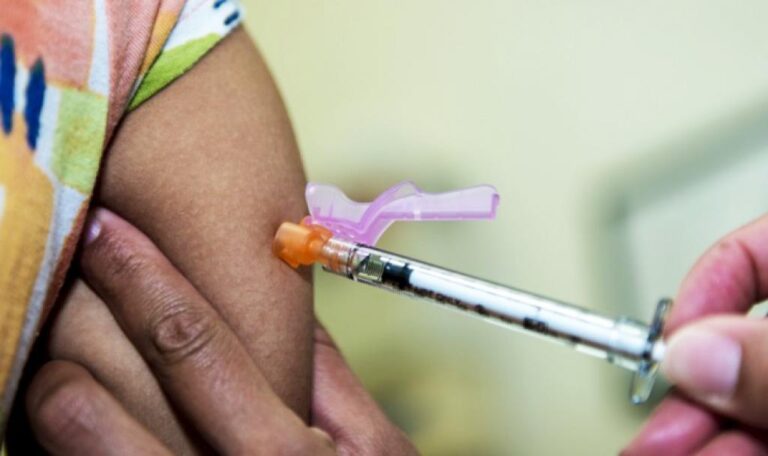
Cross River has recorded high acceptance of the measles-rubella vaccination campaign, driven by school sensitisation, community mobilisation, and coordinated efforts by health workers, government agencies, and development partners.
The campaign, part of Nigeria’s national effort to eliminate measles and rubella, is being implemented across all 18 local government areas of the state, targeting children aged nine months to 14 years.
Vivien Mesembe-Otu, director-general of the Cross River State Primary Health Care Development Agency (CRSPHCDA), said this on Tuesday in Calabar.
Discover more
Ladipo Spare Parts Market
Ladipo spare parts market
“The success recorded so far was due to strong collaboration among stakeholders, including traditional and religious leaders, the media, and relevant government ministries,” Ms Mesembe-Otu said.
Mary Edet, a community health worker in Calabar Municipality, said frontline workers had worked closely with community structures to ensure no eligible child was missed.
“So far, we have not had any reports of side effects among the children,” she said.
She explained that mobilisation efforts were largely community-driven.
“We have a town announcer and mobilisers who go into the community to meet parents and guide them on where to bring their children for vaccination,” Ms Edet said.
At Anointed Children International School, Head Teacher Teresa Kenneth said parental consent was largely obtained.
“Yes, we got consent from the parents. There was just one case where a mother said her child should not be vaccinated, but others accepted it,” she said.
Ms Kenneth attributed the high acceptance to awareness efforts by the state and local governments.
Arit Ewifon-Eso, focal person at Edim-Otop Ward 2, said, “The measles–rubella vaccine is an improved version of the routine measles vaccine and has contributed significantly to reducing measles cases in the state.”
Discover more
Ladipo spare parts market
Ladipo Spare Parts Market
A petty trader, Mary Etam, said she was committed to ensuring her child completed the full vaccination schedule.
Hilary Ozoh, social behaviour specialist at the UNICEF Field Office, praised the campaign, stating, “People were coming out, actively seeking the service.
“In some cases, children even came on their own. Our work initially focused on schools, and there was virtually no rejection.”
On the supply side, he commended the readiness of health workers and the availability of vaccines.
Authorities urged parents and caregivers to present eligible children at health facilities, schools, and outreach points before the end of the campaign to ensure full protection.
(NAN)