
By Progress Godfrey, Abuja
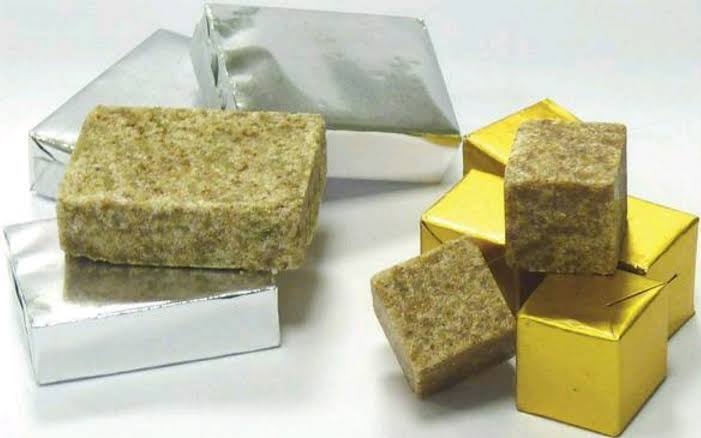
The National Salt Reduction Coalition has called on the Nigerian government to immediately discontinue ongoing plans to fortify Bullion cubes (commonly known as Maggi), meant to tackle micronutrient deficiencies.
Speaking at a press briefing in Abuja on Thursday, the Executive Director, Centre for Accountability and Public Partnership (CAPPA), Mr Akinbode Oluwafemi, acknowledged the justification for the choice of seasoning cubes for fortification, based on a survey finding that they are consumed by 96 per cent of the populace.
Oluwafemi, however, noted that high intake of salt already posed a risk to public health in Nigeria.
He expressed worries that Nigeria already recorded an average salt consumption of up to 10 grams per day, resulting from the fortification of salt with iodine, which exceeded WHO’s recommendation of a limit of 2 grams of sodium per day, or less than 5 grams of salt per day, equivalent to one teaspoon of salt daily.
“Fortifying another high-sodium food such as bouillon puts Nigerians at risk of a higher sodium intake,” he said.
The executive director raised a concern about the increase in the rise in slump attacks, which he linked to poor cardiovascular health, hammering the need to implement effective country-wide salt/sodium reduction interventions to curb the unpleasant trend.
He said, “Furthermore, certain industry players and their co-travellers are disseminating unverified scientific information, false research claims and spreading deceptive marketing information through social media influencers to promote Mono Sodium Glutamate (MSG) and bouillon as nutritious, safe and healthy for human consumption without also informing consumers that these products contain harmful quantities of sodium which could lead to hypertension, heart, and kidney failure.
“The recent food insecurity and economic crisis in the country has led to a significant rise in the living expenses of Nigerians; where the masses can no longer afford basic food items such as garri, giving industries the edge to produce cheaper and ready-to-use ultra-processed alternatives with low nutritional and health benefits. In such situations where nutritious food is costly, people only feed to satisfy hunger.
“Today’s briefing is aimed at drawing the attention of our policymakers, industries, and the public to the rising burden of non-communicable diseases and the rising ‘slump attack’ in the country which could be linked to poor cardiovascular health resulting from loopholes in existing food safety policies and regulatory mechanisms which have greatly impacted the quality of food produced, marketed and consumed by the populace.
“To this effect, we hereby demand the immediate discontinuation of ongoing plans to use Bouillon as a food vehicle for fortification as it does not meet all of WHO’s criteria.
“It is also important for the different MDAs coordinating nutrition, food safety, and consumer protection programs in the country to collaborate closely to ensure that food policy decisions are well scrutinized to align with overall sustainable development goals and national objectives on nutrition, food safety and public health to stem the ugly tide of non-communicable diseases in the country.”
Oluwafemi urged the media not to entertain deliberate misinformation from individuals who neglect the health, nutrition and well-being of Nigerians.
Also speaking, Technical Advisor for the Network for Health, Equity and Development (NHED), Dr Jerome Mafeni, said that hypertension and cardiovascular diseases were directly linked to the high sodium consumption, placing a growing burden on Nigeria’s healthcare system.
He said that if nothing was done, the surge in heart diseases would continue, leading to higher mortality rates, reduced quality of life and increased healthcare costs.
Mafeni stressed the need for synergy between government, civil society organisations and the private sector to achieve the desired result in the campaign for salt reduction.
He said, “Today, we urge the Federal Ministry of Health and Social Welfare, the National Agency for Food and Drugs Administration and Control (NAFDAC), and other relevant agencies to accelerate preliminary activities for salt and sodium regulation in Nigeria.”
He further demanded the implementation of Front-of-Pack labels to help consumers make healthier choices, as well as regulation of marketing and promotion of high-sodium foods.