
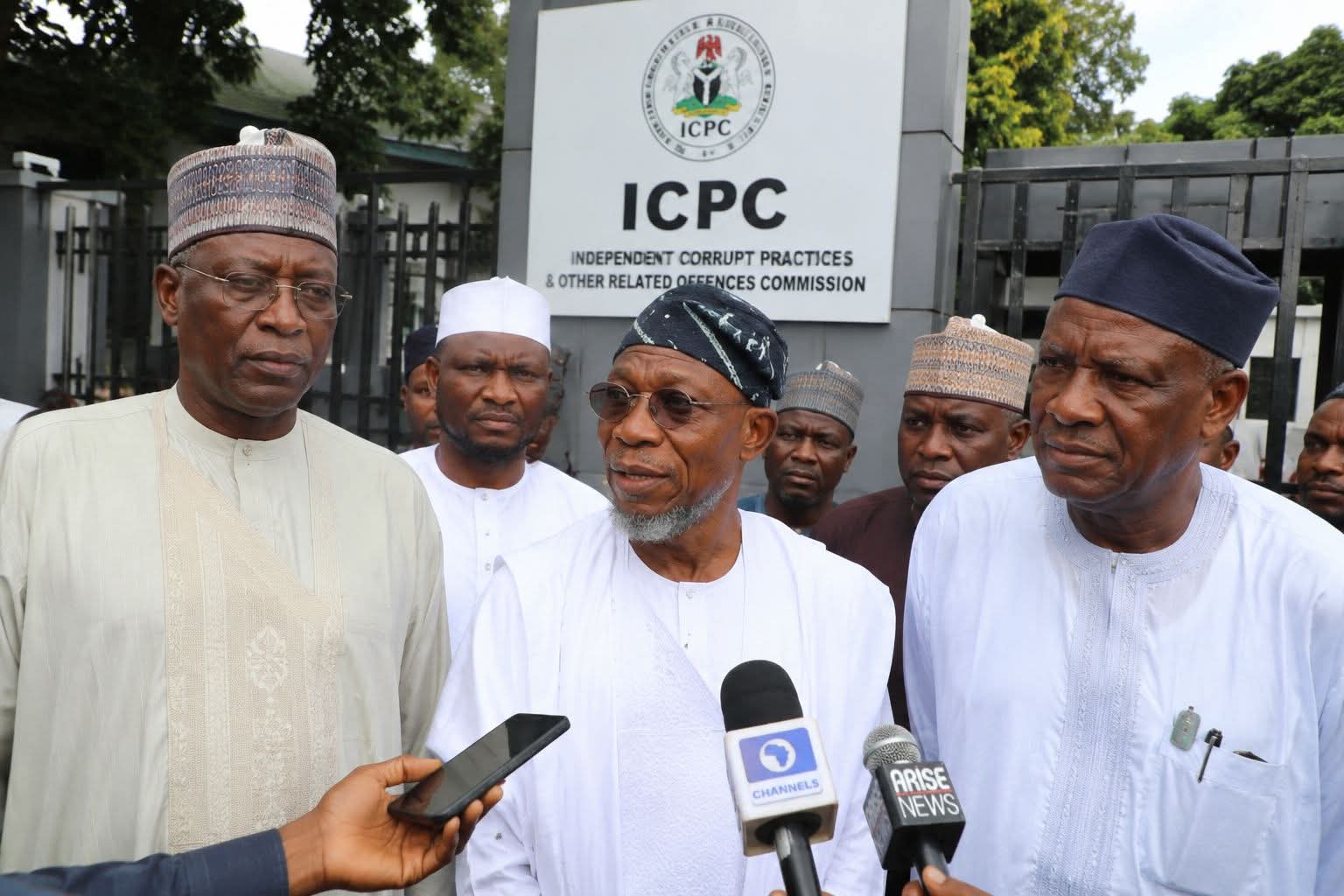
The Independent Corrupt Practices and Other Related Offences Commission (ICPC) has explained why leaders of the African Democratic Congress (ADC) were denied access to former Kaduna State governor, Nasir El-Rufai, currently in its custody.
Top officials of the African Democratic Congress on Friday had said they were denied access to El-Rufai, at the headquarters of the ICPC.
Those reportedly prevented from seeing El-Rufai included the ADC National Secretary, Rauf Aregbesola; the party’s National Publicity Secretary, Bolaji Abdullahi; and the Secretary of the ADC Manifesto and Policy Committee, Salihu Lukman.
However, ICPC spokesperson, J. Okor Odey disclosed to newsmen on Friday that, the ADC leaders were formally informed that the court order did not include political associates or party officials among those permitted to visit the detained former governor.
“Court order for access to the defendant in our custody is for family members, lawyers and doctors,” he said.
The Commission also questioned the identity and status of the ADC, suggesting the party had no legal standing in relation to the defendant’s custody arrangement.
“Within this context, please what is the ADC?” he added.
The development comes amid growing political tension surrounding El-Rufai’s detention and ongoing investigation by the anti-corruption agency.
The Federal High Court in Abuja had granted bail to former Kaduna State Governor, Nasir El-Rufai, in the sum of N100 million with one surety in like sum.
Justice Joyce Abdulmalik, who delivered the ruling, ordered that the surety must be a resident of either Maitama or Asokoro districts of the Federal Capital Territory and must deposit the original Certificate of Occupancy of a landed property with the court registry.
The court further ruled that the surety must be a federal civil servant not below Grade Level 17 and must provide evidence of salary payments for at least three months
According to the court, the documents would also be authenticated through a letter from the surety’s bank manager within the court’s jurisdiction.
Justice Abdulmalik additionally directed El-Rufai to submit a letter of attestation from the Chairman of the Kaduna Traditional Council as part of the bail conditions.
The ruling comes amid mounting controversy surrounding the former governor’s detention and allegations by his family that officials of the Independent Corrupt Practices and Other Related Offences Commission (ICPC) violated his fundamental rights while in custody.