
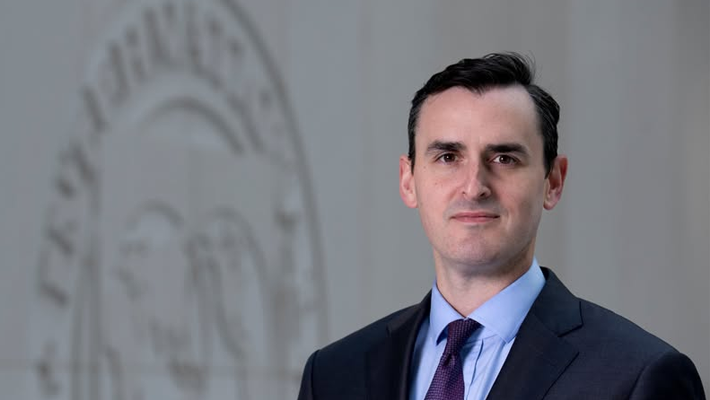
The International Monetary Fund (IMF) has raised concerns that growing inflows of foreign-currency stablecoins into emerging economies such as Nigeria could increase dollarisation and weaken the ability of central banks to manage monetary policy.
Dan Katz, the IMF’s First Deputy Managing Director, gave the warning on Friday, August 7, 2026, during remarks at the University of Cape Town in South Africa.
According to Katz, stablecoins are becoming an increasingly important part of the global financial system, offering benefits such as cheaper payments and greater access to financial services, but their impact could be more significant in emerging markets.
He said the widespread use of dollar-backed stablecoins could make it easier for individuals and businesses in emerging economies to obtain foreign currency without going through conventional financial institutions.
“Emerging markets have experienced episodes of financial dollarisation, typically driven by high inflation, exchange rate volatility, institutional fragility, and weak policy credibility,” Katz said.
He explained that stablecoins could accelerate this trend because users can access and transfer dollar-denominated digital assets through smartphones and digital wallets, potentially bypassing traditional banks and foreign-exchange dealers.
The IMF official noted that almost 99 per cent of existing stablecoins are denominated in US dollars, while the total stablecoin market has grown significantly in recent years.
He said the market’s capitalisation nearly tripled between 2021 and 2025, reaching about $300 billion, although it has remained relatively stable over the past year.
Katz added that stablecoins could lower the cost of cross-border payments and remittances. However, he warned that the benefits and risks differ from one country to another, depending on the strength of the economy, the level of existing dollarisation, financial-market structure and the availability of local-currency stablecoins.
The IMF official also cautioned that promoting local-currency stablecoins may not necessarily prevent dollarisation.
He cited South Africa as an early example, noting that dollar-backed stablecoins appeared to have gained more traction than rand-linked alternatives. This, he said, could reflect the greater liquidity, wider acceptance and stronger network effects associated with dollar-based stablecoins.
Katz said the coexistence of local and dollar stablecoins on the same blockchain could make conversion between the two easier and reduce the role of traditional financial intermediaries.
This could make capital flows more difficult for authorities to monitor and potentially weaken existing measures designed to control the movement of foreign currency.
He warned that during periods of economic stress, rapid movement into or out of dollar stablecoins could increase pressure on exchange rates and potentially contribute to financial instability.
The IMF also highlighted the possibility that stablecoin transactions could create a parallel market for foreign exchange, particularly in countries where access to dollars is restricted or official exchange rates are distorted.
However, Katz stressed that the risks would not be the same for all emerging economies.
In highly dollarised countries, stablecoins may simply replace physical dollars or foreign-currency bank deposits with a digital alternative, resulting in limited changes to overall demand for foreign currency.
For economies with restricted access to dollars, however, stablecoins could create new demand for foreign currency and deepen existing dollarisation if households and businesses move funds from local financial assets into dollar-backed digital tokens.
Meanwhile, countries with strong economic fundamentals, efficient payment systems, relatively open financial markets and low levels of dollarisation are likely to experience less demand for foreign-currency stablecoins, he said.
Katz urged emerging-market policymakers to strengthen their economic fundamentals as the first line of defence against unwanted currency substitution.
He recommended credible monetary policies, sustainable fiscal positions, strong institutions and efficient domestic payment systems.
He also called for better data collection on stablecoin transactions, noting that much of the activity takes place through channels that are difficult for authorities to monitor.
According to him, policymakers should also update existing capital-flow management frameworks to cover crypto exchanges, custodians, payment platforms and providers that facilitate the conversion between traditional currencies and stablecoins.
Katz further advised governments to develop policies based on how stablecoins are being adopted in their respective economies rather than applying a uniform approach.
He said international cooperation would also be necessary because stablecoin transactions can easily cross national borders, while regulatory and supervisory powers remain largely domestic.
The IMF official said effective cooperation among countries would help prevent crypto-related activities from moving to jurisdictions with weaker regulation or operating outside the reach of financial authorities.
He stressed that the ultimate objective should be to allow households and businesses to benefit from cheaper and more efficient financial services while protecting monetary and financial stability.