
Iran has accused the United States of being unreliable in ongoing negotiations over its nuclear programme, warning that no agreement will be reached unless Tehran’s rights are fully guaranteed.
Iran’s parliamentary speaker, Mohammad Bagher Ghalibaf, said on Sunday that Iran would not accept any deal with the United States without firm assurances, stressing that trust in Washington remains very low. His comments followed reports that former U.S. President Donald Trump had forwarded a revised and tougher proposal to Tehran.
The development has added fresh tension to already stalled talks aimed at reaching a nuclear agreement and addressing wider security issues in the Middle East, including disputes over the strategic Strait of Hormuz, a key global oil route.
According to reports from international media, the updated U.S. proposal is believed to tighten conditions around Iran’s nuclear activities. However, the details of the draft remain unclear, and both sides are still exchanging amendments without any final agreement in sight.
Tehran insists its nuclear programme is strictly for peaceful purposes, while the United States and its allies continue to suspect it could be used to develop weapons. Iran has repeatedly rejected these claims.
Ghalibaf said Iran will only approve any deal if it fully protects the rights of its citizens, adding that no final agreement has been reached and that rejection remains possible if conditions are not met.
The negotiations had already been affected earlier in the year when military strikes reportedly targeted Iranian facilities and senior leadership during escalating tensions involving the United States and Israel.
Despite intermittent ceasefire arrangements, tensions in the region have persisted, with occasional military incidents and accusations exchanged between both sides. Iranian state media has also reported drone interceptions and continued surveillance activity in disputed areas.
Meanwhile, diplomatic pressure is increasing on Washington to secure a deal that could reopen key maritime routes and reduce tensions affecting global oil supply chains passing through the Strait of Hormuz.
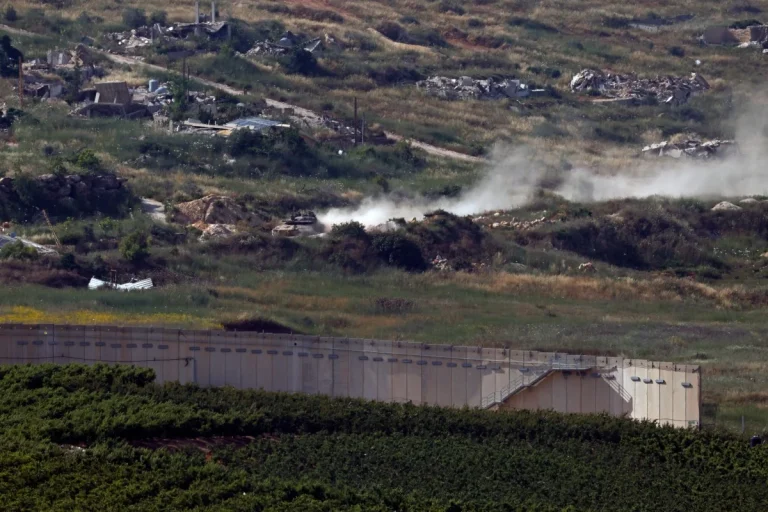
On the wider regional front, conflict involving Iran-backed groups has continued in Lebanon, where fighting between Israel and Hezbollah remains a major concern. Lebanese authorities have called for an immediate ceasefire, accusing Israel of expanding its military operations.
The situation escalated further after Israeli forces reportedly took control of the historic Beaufort Castle in southern Lebanon. Israeli Prime Minister Benjamin Netanyahu described the move as a significant shift in the country’s military strategy.
An emergency session of the United Nations Security Council has been called to address the growing crisis in the region as tensions continue to rise.
Diplomatic efforts, however, are still ongoing despite the deep divisions, with both Iran and the United States exchanging proposals but remaining far apart on key issues, especially nuclear restrictions, sanctions relief, and regional security arrangements.