
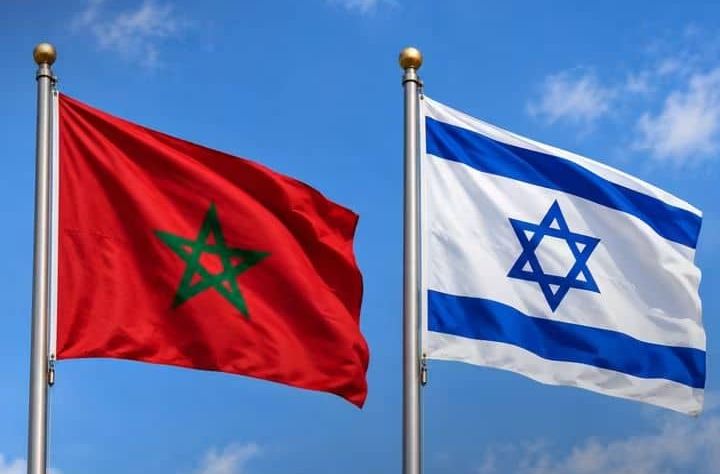
Israel and Morocco have agreed to upgrade their diplomatic relations to full embassies and exchange ambassadors for the first time, the Israeli Foreign Ministry announced Wednesday, marking a significant deepening of ties nearly six years after the two countries normalized relations under the U.S.-brokered Abraham Accords.
The agreement was reached during a trilateral meeting in New York on the sidelines of the UN General Assembly, bringing together Israeli Foreign Minister Gideon Saar, Moroccan Foreign Minister Nasser Bourita, and U.S. Ambassador to the United Nations Mike Waltz. In a joint statement released after the meeting, the three sides reaffirmed “the spirit of the Abraham Accords” and “confirmed their agreement regarding the elevation of the diplomatic missions between Morocco and Israel to full embassies and the exchange of ambassadors”.
“The declaration we signed today outlines practical ways to upgrade ties between Israel and Morocco for the benefit of both peoples, and we will work to implement it,” Saar said following the announcement.
The move represents a formalization of diplomatic ties that had remained at the liaison level since Morocco and Israel restored relations in December 2020 as part of the Abraham Accords — a series of U.S.-brokered agreements that established diplomatic relations between Israel and several Arab countries. Morocco’s agreement in 2020 was announced alongside the U.S. decision to recognize Moroccan sovereignty over Western Sahara.
Morocco and Israel had previously established low-level diplomatic relations in 1994, but Rabat suspended them in 2000 during the second intifada. The two countries did not exchange ambassadors during that period, instead maintaining liaison offices until ties were restored in 2020.
Beyond the embassy upgrade, the three countries agreed to finalize “agreements on the protection of investments and the avoidance of double taxation” by the end of 2026. They also committed to taking “the necessary measures for prompt reinstatement of direct flights between Morocco and Israel, including by Israeli and Moroccan airline companies” within the same timeframe.
Direct commercial flights between the two countries have been limited in recent years. Morocco’s flagship carrier, Royal Air Maroc, suspended its direct Casablanca-Tel Aviv service following Hamas’ October 7, 2023, attack on Israel and the subsequent Israeli military campaign in Gaza. Israeli carriers have continued to operate some direct flights to Morocco, including seasonal service to Marrakech, but there are currently no regular direct flights from Rabat or Casablanca to Tel Aviv. Israeli airline El Al announced on September 15 that it would resume direct flights from Tel Aviv to Marrakech on November 16, ending a nearly three-year suspension.
The joint statement also included plans for reciprocal high-level visits between the two countries in the coming months.
The joint statement notably included a reaffirmation of “their recognition of Moroccan sovereignty over the entire Western Sahara territory and their support for Morocco’s serious, credible and realistic autonomy proposal”. Western Sahara has been disputed since Spain withdrew from the territory in 1975, with Morocco taking control of most of the territory while the Polisario Front, an independence movement backed by Algeria, fought Moroccan forces. A UN-backed ceasefire took effect in 1991, but the dispute remains unresolved and is a key part of a major rift between Algiers and Rabat.
Israel formally recognized Moroccan sovereignty over Western Sahara in July 2023.
The announcement is likely to reignite domestic opposition in Morocco, where pro-Palestinian sentiment remains strong. Activists have staged protests in Rabat in recent months, including demonstrations outside Parliament demanding the closure of Israel’s liaison office in the capital. The relocation of the Israeli liaison office to Avenue Mehdi Ben Barka in August 2026 — named after a prominent Moroccan opposition leader — drew particular outrage from anti-normalization groups.
The trilateral summit took place just one day after Ambassador Waltz hosted an event at his residence marking the sixth anniversary of the Abraham Accords. The three countries stated they met “under the joint declaration that the trio made on Dec.” — a reference to the original 2020 normalization agreement.
The agreement marks a further consolidation of Israel’s diplomatic presence in the Arab world, following similar normalization deals with the United Arab Emirates, Bahrain, and Sudan under the Abraham Accords framework. Morocco becomes the latest Arab nation to elevate its ties with Israel to full embassy status.