
Kenya has demanded the repatriation of the bodies of its nationals killed and those captured as prisoners of war as they reportedly fought for Russia in Ukraine
This comes following revelations by Kenya’s prime intelligence agency, which informed the country’s parliament that over 1,000 Kenyans were currently fighting for Russia in the war in Ukraine, raising new concerns about foreign recruitment and national security.
The figures provided by intelligence officials this week represented a significant increase from November of last year, when Kenya’s Foreign Affairs Minister Musalia Mudavadi informed lawmakers that approximately 200 Kenyans were fighting for Russia in the conflict.
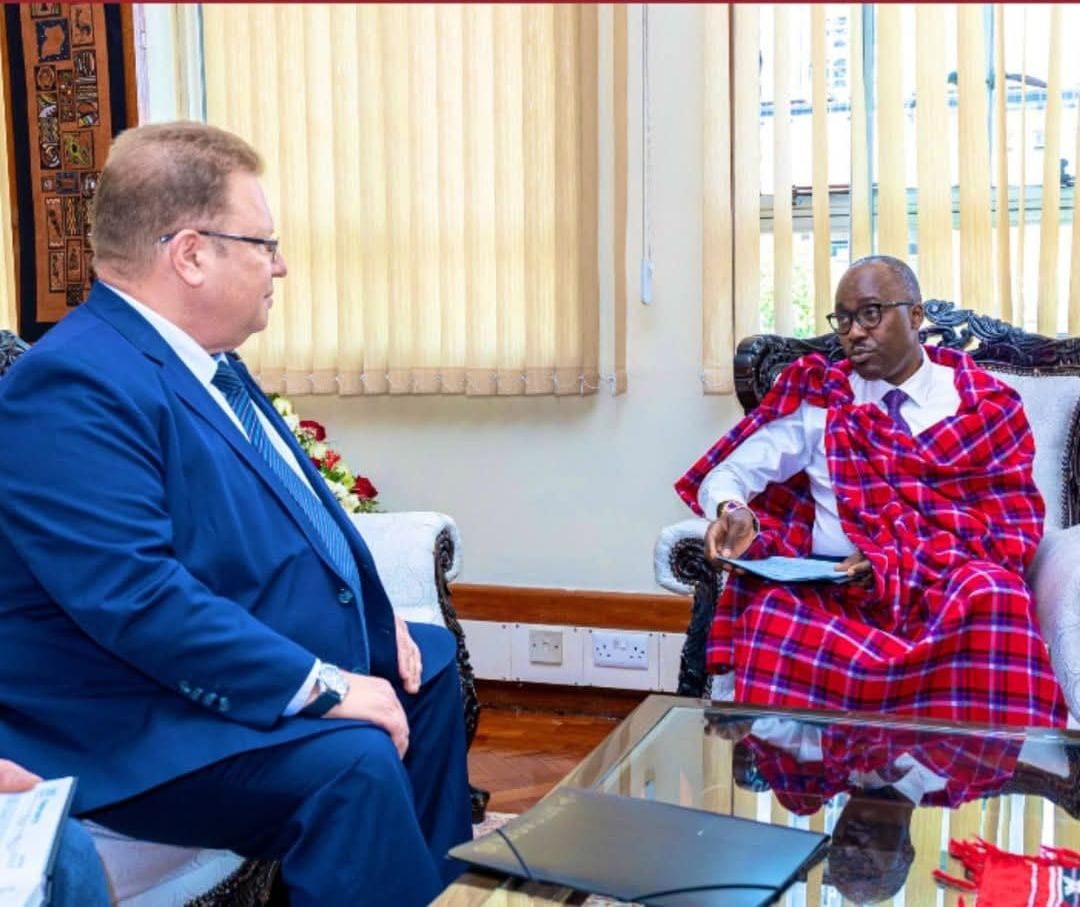
The Kenyan government has expressed grave concerns about the development, with the country’s Principal Secretary for Foreign Affairs, Korir Sing’Oei, meeting with Russian Ambassador, Vsevolod Tkachenko, in Nairobi.
‘Dignity of Kenyans abroad’
“During our talks, I conveyed the Government’s grave concern regarding Kenyan nationals currently caught up in the Russia-Ukraine conflict,” Sing’Oei said in a statement after the meeting on Friday.
“I called for unimpeded consular access to our citizens and sought clear, transparent protocols regarding the repatriation of both prisoners of war and the remains of the deceased,” the Kenyan foreign affairs ministry official said.
“Our priority remains the safety and dignity of every Kenyan abroad. I welcomed the cooperation of the embassy in staving off any illegal recruitment of Kenyans,” he added.
Kenya’s Foreign Affairs Minister Musalia Mudavadi is expected to visit Moscow in March as part of efforts to iron out issues regarding Kenyan nationals caught up fighting in the Russia-Ukraine war.
Other African countries alarmed
Moscow had on Thursday denied allegations that it recruited Kenyans to fight in Ukraine. The Russian Embassy in Nairobi said it noted “a dangerous and misleading propaganda campaign” in the media regarding the participation of Kenyans in the conflict.
According to Kenyan security officials, unlicensed recruitment agencies in the East African country are primarily to blame, with some operating outside of formal oversight and allegedly defrauding job seekers with promises of security or construction work abroad, only to end up in battlefields.
Authorities stated that many recruits travel through other African countries before arriving in Russia, which complicates monitoring efforts.
Governments across Africa and Asia have previously cautioned their citizens against joining the conflict, warning of potential legal, diplomatic, and security consequences.
African nations, including Nigeria, Kenya and South Africa, have expressed alarm at the fate of their citizens recruited by Moscow.
Ukraine’s Foreign Minister Andriy Sybiga said in November that at least 1,436 citizens from 36 African countries had been identified among the Russian ranks.