
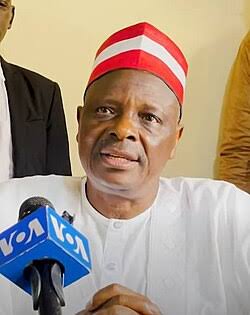
Senator Rabiu Musa Kwankwaso has maintained that Kano State Governor, Abba Kabir Yusuf, and former governor, Abdullahi Umar Ganduje, remain his political protégés, despite rising political disagreements within Kano politics.
Kwankwaso made the statement on Wednesday during a meeting with members of the Kwankwasiyya movement at his Miller Road residence in Kano, where he addressed ongoing public debate surrounding his political influence.
The controversy followed recent comments attributed to Yusuf, who was reported to have questioned the appropriateness of a senior politician describing younger colleagues as his “boys,” a remark that has stirred reactions across the state’s political space.
Speaking humorously to supporters, Kwankwaso noted that he had heard some people were uncomfortable with being referred to as his political sons, a comment that drew laughter from the audience.
He later switched to Hausa while speaking more firmly, insisting that both Yusuf and Ganduje emerged politically under his guidance and remain part of his political legacy.
According to him, it would be disrespectful for either of them to deny that relationship, stressing that their political rise was closely tied to his mentorship and support.
The gathering responded with applause as Kwankwaso defended his long-standing influence in Kano politics, where he remains a dominant figure through the Kwankwasiyya political movement.
While Governor Yusuf is widely seen as a close ally and successor within the movement, relations between Kwankwaso and former governor Ganduje have become strained over time due to political differences, despite their earlier working relationship.
Ganduje has previously acknowledged his past association with Kwankwaso but rejected the idea of a godfather–protégé label, explaining in earlier interviews that his deputy governorship role came through political arrangements after internal party dynamics.
Kwankwaso, a former governor, minister, and senator, continues to command strong political influence in Kano State through the Kwankwasiyya movement, which has shaped several political careers over the years.