
The Lagos State government has reiterated its commitment to safeguarding children from vaccine-preventable diseases, as it introduced the measles–rubella vaccine into the state’s Routine Immunisation programme.
The wife of the Lagos State governor, Ibijoke Sanwo-Olu, said this at the flag-off ceremony held at the Ibeju-Lekki Local Government Council Secretariat on Tuesday.
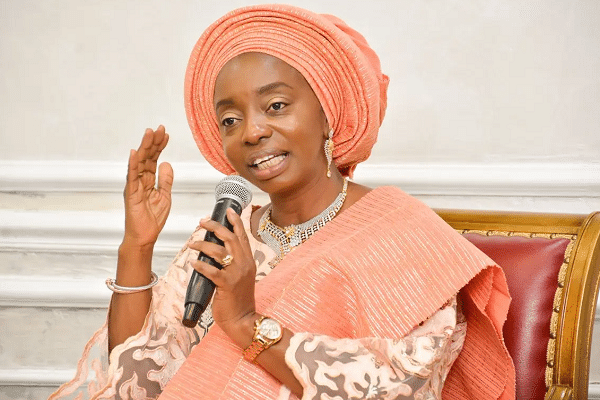
Mrs Sanwo-Olu, represented by the wife of the deputy governor, Oluremi Hamzat, said the vaccine was critical to improving child survival outcomes across the state.
She described the introduction of the MR vaccine as a clear reflection of the vision and priorities of the Babajide Sanwo-Olu administration under the T.H.E.M.E.S+ Agenda.
Mrs Sanwo-Olu noted that health, human capital development, social inclusion, and governance remain critical pillars for building a prosperous and inclusive Lagos.
According to her, the present administration has made unprecedented investments in the health sector, leading to significant improvements in maternal and child health indices.
This, she said, was done with a strong emphasis on primary health care which served as the foundation of a resilient and equitable health system.
According to her, the introduction of the MR vaccine is a strategic and timely intervention aimed at eliminating measles and rubella while preventing lifelong disabilities among children.
Similarly, Kemi Ogunyemi, special adviser to the governor on health, noted that introducing the measles–rubella vaccine into routine immunisation is a critical step towards securing the children’s future.
“No child in Lagos should suffer or die from diseases that are preventable.
“This initiative underscores our administration’s unwavering commitment to child health, family well-being, and strengthening of primary health care as the bedrock of a healthy society,” Ms Ogunyemi said.
The permanent secretary, Lagos State Primary Health Care Board, Ibrahim Mustafa, explained that the introduction of the MR vaccine marked a shift from reactive outbreak response to sustained disease prevention.
He disclosed that no fewer than 10.4 million children aged nine months to 14 years would be reached during the initial mass vaccination phase.
After which, he said, the vaccine would be fully integrated into routine immunisation services at nine months (MR1) and 15 months (MR2).
He urged parents and caregivers to cooperate fully with health workers and ensure that all eligible children were vaccinated.
Mr Mustafa stressed that the initiative aligned with the government’s goal of building a healthier, safer, and more resilient state.
In his welcome address, the chairman of Ibeju-Lekki Local Government Area, Sesan Olowa, commended the state government for prioritising grassroots healthcare delivery and bringing life-saving interventions closer to communities.
(NAN)