
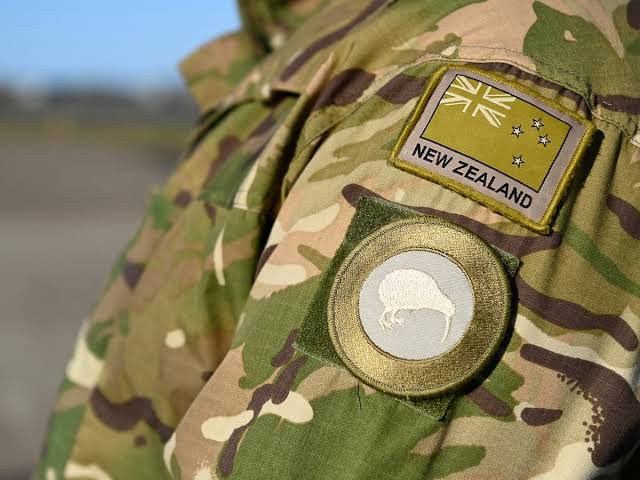
A New Zealand soldier has been sentenced to two years in military prison after admitting to attempted espionage, marking the first conviction of its kind in the country’s history.
The ruling was delivered Wednesday by a military judge and a panel of senior officers, who also ordered that the man be discharged from the army once he completes his sentence.
The soldier, whose identity remains suppressed by court order, pleaded guilty to three charges including attempted espionage, possessing objectionable material, and dishonest access to a military computer system.
Prosecutors revealed that in 2019 he attempted to share restricted military information—such as security assessments, phone directories, maps, and even his own identity documents—with what he believed was a foreign agent.
Unbeknownst to him, he was communicating with an undercover police officer working as part of an intelligence operation monitoring extremist groups after the Christchurch mosque terror attack in March 2019.
Authorities said his actions could have compromised national security, even if they were described by the judge as naïve and unlikely to cause real damage.
The case gained further weight when investigators found the soldier had stored banned material on his hard drive, including the livestream video and manifesto produced by Christchurch gunman Brenton Tarrant.
Possession of such material is a crime in New Zealand, and several others have been convicted in recent years under the same law.
The soldier had initially faced 17 charges, which were later reduced to three after he admitted guilt.
His lawyer argued that he had been involved with nationalist groups mainly as a social outlet and did not endorse extremist violence.
New Zealand’s Army Chief, Major General Rose King, condemned the actions, stating that there was no place in the defence force for anyone willing to jeopardize the safety of fellow soldiers or the wider public.
The conviction is the first espionage case heard in a military court, while the last comparable trial in civilian courts occurred in 1975, when a public servant accused of spying for Russia was acquitted.