
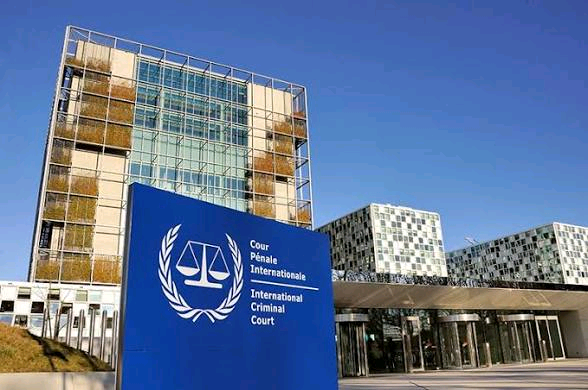
Niger’s military-led government has officially submitted documentation to withdraw from the International Criminal Court (ICC), marking a significant step in a decision first announced alongside fellow Sahel nations Mali and Burkina Faso last year.
The Hague-based court confirmed on Tuesday that it received Niger’s formal notice of withdrawal on June 18. The move follows a joint declaration made by the three countries in September 2025, when they accused the ICC of serving foreign interests and acting as a tool of external influence.
All three nations are currently governed by military administrations that seized power through coups between 2020 and 2023. Since taking office, their leaders have distanced themselves from Western allies and pursued a more independent regional agenda.
According to the ICC, Niger’s withdrawal will become effective on June 18, 2027, in line with treaty provisions that require a one-year notice period before an exit takes effect. Until then, the country remains bound by its obligations under the court’s founding statute.
Responding to the development, the ICC expressed regret over Niger’s decision, stressing that international cooperation remains essential in the fight against impunity for grave crimes such as genocide, war crimes, and crimes against humanity.
The court noted that while states are free under international law to join or leave international treaties, collective efforts to ensure accountability for serious offences should be preserved.
The ICC did not provide any update on the withdrawal processes of Mali and Burkina Faso, which had announced similar intentions at the same time as Niger.
The three Sahel countries continue to grapple with prolonged insurgencies linked to extremist groups affiliated with Al-Qaeda and the Islamic State. Their security forces have also faced allegations of abuses against civilian populations during counterinsurgency operations.
Established in 2002, the ICC serves as a court of last resort, prosecuting individuals accused of the world’s most serious crimes when national judicial systems are unwilling or unable to do so.
The tribunal currently has 125 member states, although several major powers, including the United States, Russia, China, Israel, and Myanmar, are not parties to the court.