
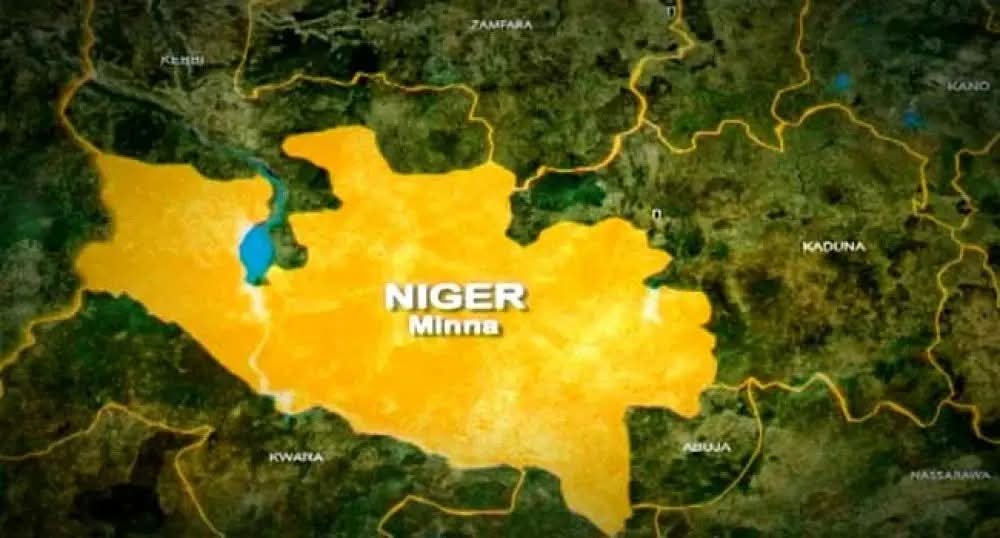
Niger State has secured a United States of America (USA) grant aimed at preventing malnutrition among over 36,000 women and children across 13 local government areas of the state, Arewa PUNCH reports.
The initiative, known as the Preventing Malnutrition in the First 1,000 Days of Life Programme, is being supported by the United Nations Children’s Fund and is expected to expand gradually to cover all 25 local government areas of the state.
The Permanent Secretary of the Niger State Planning Commission, Hajia Aisha Usman, disclosed this while speaking with journalists after a pre-planning meeting with implementing partners.
She said there was a strong possibility of scaling up the programme beyond the initial 13 local government areas to achieve wider coverage.
“UNICEF is coming with a grant from the United States of America (USA) to support the high burden of malnutrition in 13 LGAs in the state.
“We are hoping that the state will act, because there is a possibility of taking the whole 25 local governments so that we can touch every local government,” she said.
Usman added that the state has between June and February 2027 to implement the programme, stressing the need for swift and effective execution.
“The state has between June and February 2027. We are going to work fast to be able to achieve the programme because it will end in February 2027,” she said.
Earlier, the Chief of UNICEF Kaduna Field Office, Dr. Gerida Birukila, said the grant would strengthen existing nutrition interventions in Niger State.
Birukila, who was represented by UNICEF Nutrition Specialist, Chinwe Ezeife, said the total grant for Nigeria exceeds $3 million and will be implemented across seven states, including Niger.
“UNICEF will provide technical support to the Niger State Government in utilising the US grant towards implementing strategies for preventing malnutrition in the first 1,000 days of life.
“We will also focus on improving uptake of services to scale up high-impact nutrition interventions so that the state can record improved health and nutritional status of women and children,” she said.
Malnutrition remains one of the most pressing public health challenges in Nigeria, particularly in the northern region where poverty levels, food insecurity, and limited access to healthcare continue to affect maternal and child nutrition outcomes.
According to health and development experts, the first 1,000 days of life—from conception to a child’s second birthday—are critical for physical growth and cognitive development. Poor nutrition during this period often leads to stunted growth, weakened immunity, and long-term developmental challenges.
Nigeria is among countries with some of the highest burdens of child malnutrition globally, with thousands of children suffering from wasting and stunting, especially in rural communities where access to diversified diets and nutrition services is limited.
Development partners such as UNICEF and other international agencies have continued to support federal and state governments through targeted nutrition programmes, community-based interventions, and capacity building for healthcare workers.
In Niger State, previous interventions have focused on improving breastfeeding practices, micronutrient supplementation, and strengthening primary healthcare delivery systems. However, stakeholders say coverage gaps remain, particularly in hard-to-reach communities.
The new grant-supported programme is expected to build on these efforts by expanding access to nutrition services, improving early childhood feeding practices, and strengthening community awareness on maternal and child nutrition.
Officials say the intervention also aims to reduce preventable child deaths and improve overall health outcomes among women and children across the state.