
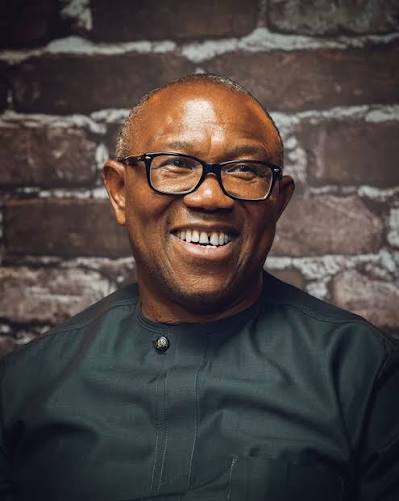
The presidential candidate of the Nigerian Democratic Coalition, Peter Obi, has formally accepted his nomination and unveiled a broad reform agenda targeting insecurity, economic hardship, and Nigeria’s deepening infrastructure challenges.
Obi made the declaration on Saturday in Abuja after emerging as the party’s flag bearer, expressing appreciation to party leaders, delegates, and supporters for what he described as their trust in his leadership.
In his acceptance speech, he said Nigeria was facing serious national difficulties but insisted that recovery remained possible with the right leadership choices.
He noted that many citizens were losing confidence in governance due to rising hardship, struggling businesses, and worsening living conditions, but maintained optimism about the country’s future.
Obi emphasized that Nigeria’s diversity should be harnessed as a unifying strength rather than a source of division.
On security, he warned that the country’s situation had deteriorated significantly, citing global terrorism impact assessments that ranked Nigeria among the most affected nations in recent years.
He recalled Nigeria’s past contributions to international peacekeeping efforts, contrasting them with the current security challenges facing the country.
Obi pledged that his administration would prioritise urgent security reforms, stressing that protecting lives and property remains the primary responsibility of government.
He also promised an intelligence-driven and technology-supported security system designed to address both immediate threats and underlying causes such as poverty and unemployment.
On healthcare, he raised concerns about Nigeria’s weak health indicators, including high infant mortality rates and low health insurance coverage, promising to expand coverage significantly within four years.
In the power sector, Obi described electricity shortage as a major barrier to national development, noting Nigeria’s low generation capacity compared to its population size.
He pledged to raise electricity generation and distribution capacity to at least 10,000 megawatts within four years if elected.
The NDC candidate also addressed unemployment and economic challenges, promising stronger support for small businesses, youth entrepreneurship, and reforms aimed at reducing corruption and governance costs.