
By Torkuma Gbor
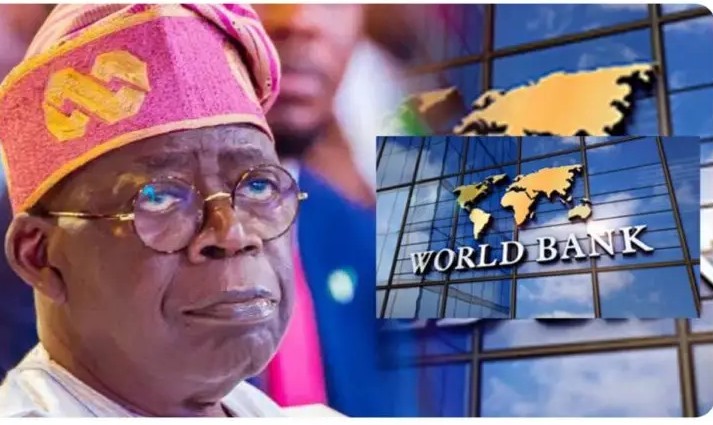
A wave of public opposition has emerged over a proposed $1.25 billion loan from the World Bank to the Nigerian government under a programme aimed at boosting investment and job creation. The loan, currently at the decision stage, is expected to be reviewed for approval by June 26, 2026.
The funding is intended to support sectors such as digital infrastructure, electricity, access to finance, and reforms in taxation, trade, and agriculture. However, many Nigerians have raised concerns about the country’s growing debt burden, which is approaching ₦160 trillion, alongside external debt estimated at $52 billion. Debt servicing alone is projected to consume about $11.6 billion in 2026—nearly half of the nation’s expected revenue.
Despite government assurances that borrowing is necessary to drive economic reforms and address revenue shortfalls, critics argue that continued loans could worsen the financial situation. Even the Finance Minister, Taiwo Oyedele, has recently emphasized the need for Nigeria to reduce its dependence on borrowing.
Reports also indicate that the administration of Bola Tinubu has secured approximately ₦13.21 trillion in loans from the World Bank within less than two years.
In response, a petition launched on Change.org is calling on the World Bank to stop granting further loans to Nigeria. Initiated by a user identified as Nefertiti First Lady, the petition had already gathered over 500 signatures at the time of reporting.
The petition highlights concerns about Nigeria’s worsening economic conditions, including rising inflation, poor electricity supply, and an increasing number of out-of-school children. It also alleges that previous loans have not been effectively utilized for national development.
According to the petitioners, continued borrowing without strict accountability measures will deepen economic instability. They are urging the World Bank to demand stronger fiscal discipline and transparency before approving any new financial assistance.
Beyond the petition, many Nigerians have taken to social media platforms to express similar frustrations, calling on the World Bank to halt further lending until there is clear evidence of responsible financial management and tangible development outcomes.