
By Onono Onimisi
Growing up in Kogi State, especially in Okene, was enough to understand one thing clearly — Kogi parents do not joke with discipline. Their parenting style was never the soft type people talk about today. It was strict, direct, and deeply rooted in culture and respect.
One thing Kogi parents hate passionately is indecent dressing. I still remember those days whenever my siblings and I wanted to attend any function, my mother would carry her chair and sit outside close to the gate just to inspect our outfits before we stepped out. The moment your dressing looked somehow to her, forget that outing. No explanation, no pleading, no second chance. You were going straight back inside the house.
Then there was another unforgettable experience involving my younger brother, Yazeed, and I. One day, we went very far from home just to see a thief that had been caught. We came back around 6 p.m. That evening, our mother served us food more than the normal quantity. Immediately, both of us became uncomfortable because we already knew something was wrong. Our mother was not the type to suddenly become extra nice for no reason.
By 8 p.m., after everyone had slept, she entered our room with that strong belt usually used on the grinding machine. That night, she dealt with both of us mercilessly for leaving home to go and watch a thief. To her, children had no business involving themselves in such things and till date, I find it lazy to leave the house except for any genuine reason.
That is how many Kogi parents are. They do not tolerate rubbish. In fact, most Kogi children who suddenly start dressing or behaving wildly outside home usually cannot repeat the same thing in front of their parents. They only gain that confidence once they leave their comfort zone.
What makes it even more interesting is that parenting in Kogi is never limited to only your biological parents. Your friend’s mother can correct you. Your neighbor can scold you. Even an elderly stranger on the road feels responsible enough to caution you if you dress or behave wrongly. Everybody contributes to raising the child.
Concerning the recent issue involving the BBN star and her father, while I do not support the public drama between both of them, I can honestly understand why many traditional fathers from homes deeply connected to culture struggle with some modern lifestyle changes. Every generation evolves, yes, but not every behavior should automatically be defended under the excuse of “Gen Z lifestyle.” We still have many young people today who maintain values, respect themselves, and carry their upbringing with pride.
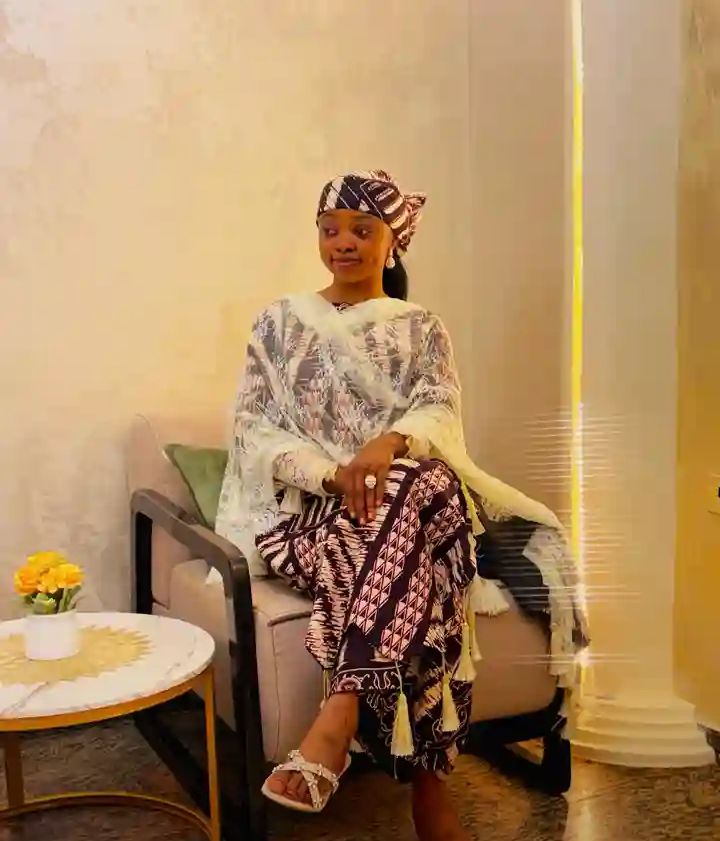
Kogi parenting style is not child’s play. It comes with discipline, fear, respect, and strong home training. Maybe that is why many Kogi ladies are often mistaken for Hausa women because of how modestly they dress and carry themselves.
And truthfully, many Kogi children know exactly what they can and cannot do in the presence of their parents. Some lifestyles only appear when they leave home because deep down, they know the kind of upbringing they came from.
Some boys who carry dyed hair everywhere suddenly become born-again once they are about to travel home to Kogi State. The moment they remember they are going to see their parents, the dye disappears, the haircut changes completely, and they start looking calm and responsible overnight. That alone tells you everything about Kogi parenting.
See, Kogi parents do not take rubbish. It is difficult to fully explain unless you were raised in that environment. There is this level of discipline, fear, respect, and home training that follows you even when you leave home. Sometimes, you may try to adjust to modern lifestyles outside, but deep down you already know there are certain things you cannot dare do in front of your parents.
And honestly, despite how strict it sometimes felt growing up, I am proud to have been raised by Kogi parents. Looking back now, many of the values, self-control, and respect we carry today came from that upbringing.