
Former managing director of the Transmission Company of Nigeria (TCN), Abubakar Atiku-Tambuwal, says Nigeria needs merit-based appointments and policy consistency to fix its power sector.
Mr Tambuwal made the disclosure in an interview with journalists in Abuja.
He advocated the appointment of competent professionals based on merit rather than political considerations, saying effective leadership was critical to achieving a stable power supply.
Mr Atiku-Tambuwal said private sector participation and state government involvement would play important roles in expanding electricity access, especially following recent reforms allowing states to regulate their electricity markets.
He said the sector had suffered from a lack of coherent leadership, from the appointment of ministers to the heads of agencies, which had affected the development and implementation of policies needed to improve electricity supply.
Mr Atiku-Tambuwal said the nation’s power sector requires a complete transformation driven by experienced leadership, strategic planning, and effective regulation.
The former TCN boss identified poor leadership, corruption, and weak implementation of reforms as the major factors responsible for Nigeria’s persistent electricity challenges.
According to him, corruption has also negatively affected the execution of critical power projects designed to expand infrastructure and enhance reliability.
“The power sector reforms did not help matters either, as the privatisation process was not entirely transparent, leading to a lack of synergy among stakeholders needed to achieve the desired outcome of the reforms,” he revealed.
The former TCN boss also stressed the need for the Nigerian Electricity Regulatory Commission (NERC) to improve its regulatory role to ensure operators meet their obligations.
Mr Atiku-Tambuwal emphasised that solving Nigeria’s electricity problems requires an integrated approach in which generation, transmission, and distribution companies work together.
He explained that increasing generation capacity without improving transmission and distribution infrastructure would not provide the needed solution.
“You cannot treat generation, transmission, and distribution as isolated islands. When they operate in silos, the entire system breaks down,” the ex-MD said.
He called for coordinated planning, improved infrastructure investment, the deployment of modern grid monitoring systems, and regulatory reforms that would strengthen collaboration across the electricity value chain.
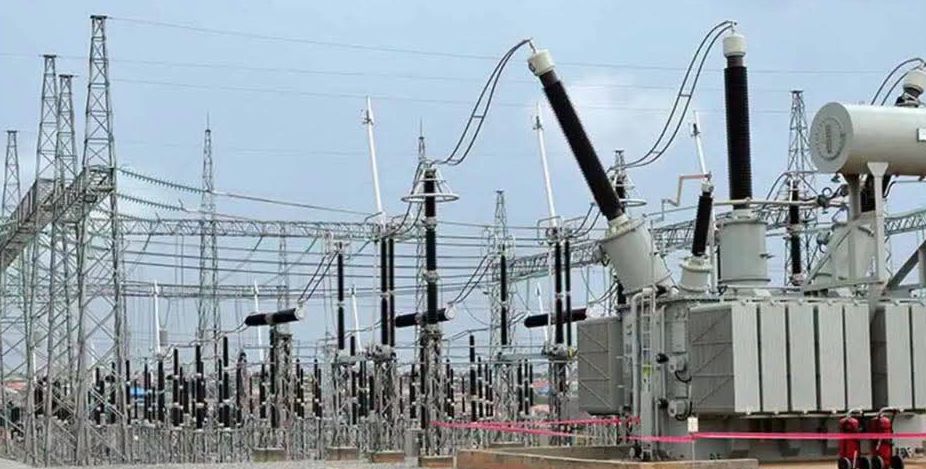
On transmission infrastructure, Mr Atiku-Tambuwal described TCN as the backbone of Nigeria’s power sector, noting that the government’s decision to retain ownership of the company was due to its strategic importance.
He said the restructuring of TCN into the Independent System Operator (NISO) and the Transmission Service Provider (TSP) was a positive development but urged the government to complete the ongoing reforms to make the sector more efficient.
He added that renewable energy could help address electricity challenges through both grid and off-grid solutions, particularly in underserved rural communities.
The former TCN chief executive expressed optimism about the future of Nigeria’s electricity sector if the government develops and implements a clear roadmap, ensures prudent management of resources, and maintains policy consistency.