
By SUNDAY ABBA, Abuja
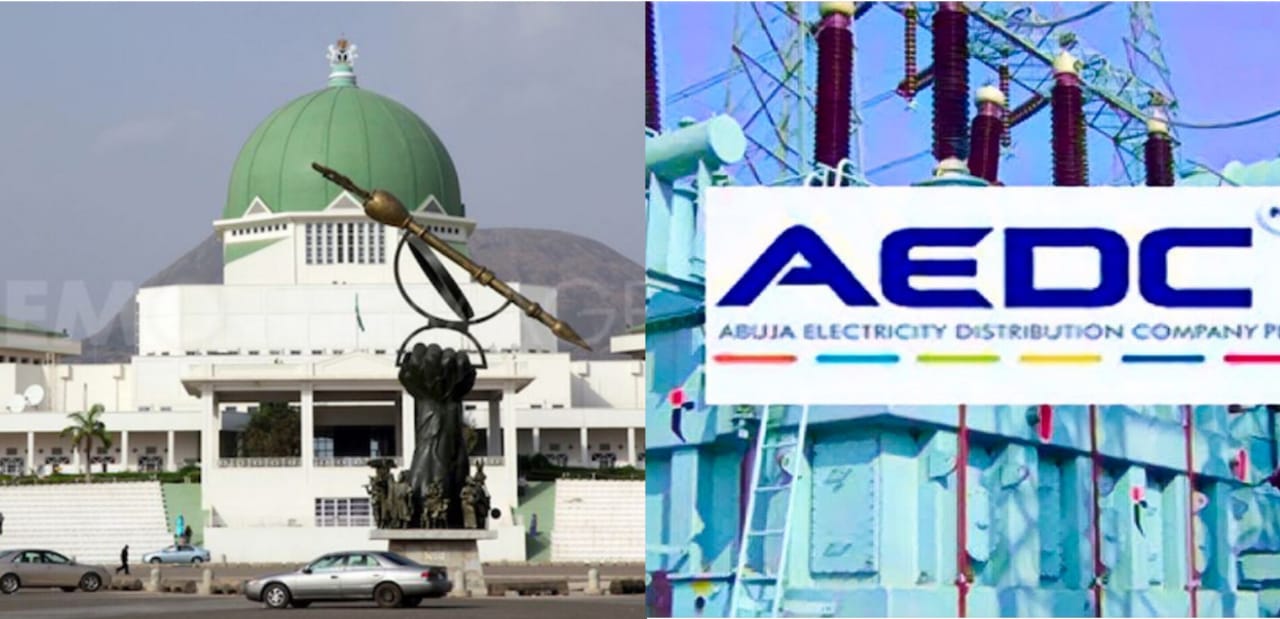
The House of Representatives Ad-hoc Committee investigating power sector reforms and expenditures from 2006 to 2024 has castigated the Abuja Electricity Distribution Company (AEDC) over alleged discriminatory electricity distribution policy being implemented by the company.
The lawmakers made their position known during an oversight visit to the corporate headquarters of the distribution company in Abuja as part of the ongoing probe into the performance of power sector operators and the utilisation of intervention funds since the 2005 unbundling and subsequent privatisation of the sector.
The committee expressed concern over the allocation of approximately 80 per cent of its electricity supply to the Federal Capital Territory (FCT), while the remaining 20 percent is shared among Kogi, Niger and Nasarawa states within its areas of coverage.
According to the members of the committee described the alleged 80–20 distribution model as unfair and economically damaging to the affected states, adding that citizens and businesses in Kogi, Niger and Nasarawa have consistently complained of prolonged outages, low supply, and poor service delivery.
Chairman of the Committee, Hon. Mustapha Ibrahim Aliyu, emphasised that every state within a distribution company’s coverage area deserves equitable treatment, saying that electricity supply should not be determined solely by revenue considerations, especially in a sector that has benefitted from substantial public funding and federal intervention.
Responding, the Managing Director (MD) of AEDC, Chijioke Okwuokenye, who acknowledged disparities in supply however denied any deliberate discriminatory intent and attributed the distribution pattern to operational and commercial realities.
According to him, high levels of energy theft in some states; weak infrastructure and network limitations; low revenue recovery rates; mounting debts owed by customers necessitated the need to prioritise areas with stronger revenue generation to sustain operations.
Okwuokenye maintained that the FCT remains the company’s largest and most viable revenue base, which significantly influences allocation decisions.
He however explained that the company is working to improve infrastructure and reduce losses in underserved areas but noted that sustainable improvements require cooperation from host communities, state governments and consumers.
Members of the Committee, Hon. Danladi Suleiman and Hon. Ginger Obinna, raised concerns over persistent complaints from constituents regarding arbitrary billing and slow rollout of prepaid meters.
In his response, the AEDC Managing Director said that the company has so far distributed over 300,000 prepaid meters across its coverage area.
He added that estimated billing has been significantly reduced and that AEDC now operates a capping system in line with regulatory directives to prevent overbilling of unmetered customers.
However, some lawmakers maintained that complaints from consumers suggest that the problem has not been fully resolved.
The committee also queried AEDC over loans and intervention funds reportedly obtained from the federal government following the privatisation of the power sector 13 years ago.
Lawmakers expressed dissatisfaction that despite billions of naira injected into the sector through the Central Bank of Nigeria and other intervention mechanisms, Nigerians are yet to see commensurate improvement in electricity supply.
In defence, the AEDC boss clarified that the current management took over the company in 2023 through a receivership arrangement, maintaining that the new investors could not be held accountable for financial decisions or obligations incurred as far back as 2013.
According to him, the company is currently servicing inherited liabilities, including obligations to the Central Bank of Nigeria, and remains committed to clearing historical debts while stabilising operations.
The committee directed AEDC to submit all relevant documents relating to power allocation, intervention funds, loan repayments and infrastructure investments to aid the ongoing investigation.
The lawmakers further instructed AEDC to reappear before the panel alongside the Transmission Company of Nigeria (TCN) to clarify issues concerning bulk power allocation, transmission constraints, and the interplay between both entities in the distribution chain.
The committee reiterated that its mandate is to ensure accountability, transparency and improved service delivery in the power sector, warning that companies found wanting will be held responsible.