
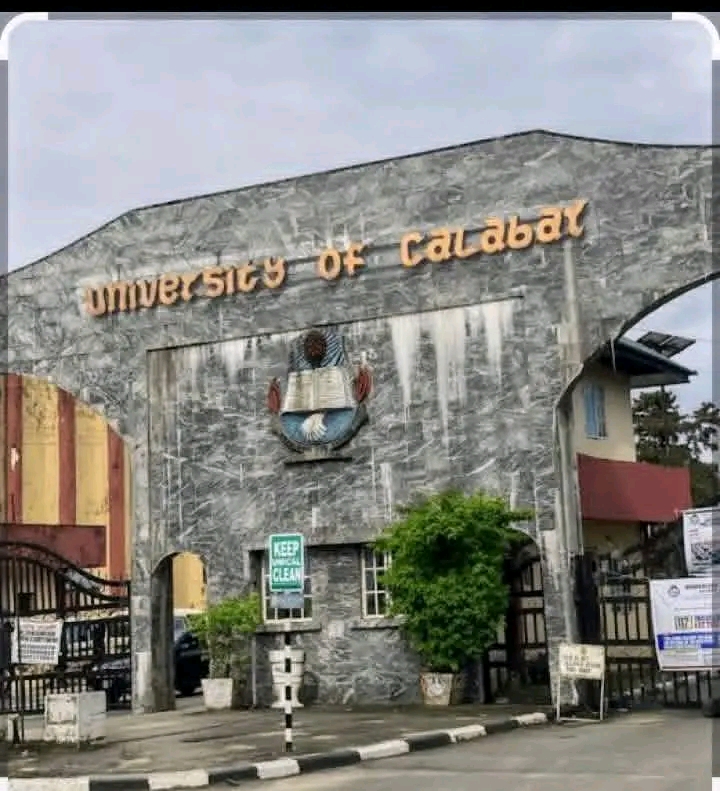
By Abasi Ita
The Vice Chancellor of the University of Calabar, Prof. Offiong Efanga Offiong, has called on academics to prioritise research visibility and global relevance, stressing that discipline and excellence remain critical to meaningful scholarly engagement.
He made the call at a distinguished lecture organised by the Institute of Education with the theme “From Obscurity to Influence: Boosting Research Visibility and Citation in Scholarly Publication,” held at the university’s Senate Chambers.
Represented by the Deputy Vice Chancellor Academic, Prof. Ekaette Enang, the Vice Chancellor noted that the responsibility of scholars goes beyond conducting research, urging them to ensure their work contributes significantly to knowledge and resonates beyond local boundaries.
“Academic work must not only be produced but must also be visible, relevant and impactful on a global scale,” he said.
Prof. Offiong maintained that the University of Calabar has continued to stand out in its standards for academic promotion, noting that advancement should not be based solely on the number of publications.
“Promotion should reflect visibility, citation and the global relevance of research outputs, not just volume,” he stated.
He described the lecture as timely, urging participants to improve their publication strategies by selecting appropriate journals and dissemination channels that enhance research reach and influence.
The Vice Chancellor challenged scholars to assess the extent of their academic impact across borders and expressed optimism that the insights gained would translate into measurable academic progress.
He also commended the Institute of Education for its commitment to advancing scholarship through forward thinking initiatives.
In his remarks, the Provost of the College of Education, Prof. Anagbogu German Effa, underscored the importance of research visibility in today’s academic environment.
“Research is the lifeblood of any academic institution, but work that is not seen, read or cited has limited impact regardless of its quality,” he said.
He urged scholars to move beyond evaluating how good their research is to examining how far it reaches, advocating the adoption of best practices such as publishing in reputable journals, embracing open access platforms and engaging global academic networks.
Earlier, the Director of the Institute of Education, Prof. Janet Petters, welcomed participants and described the lecture as timely and essential for academic growth.
She noted that the Institute remains a hub for teacher development, research and collaboration with key education stakeholders, including Ministries of Education and the Teachers’ Registration Council of Nigeria.
“The theme speaks directly to the core of academic development and will equip scholars with the tools to overcome challenges in research visibility and citation,” she said.
Chairman of the occasion and Deputy Vice Chancellor Research, Linkages and Collaboration, Prof. Anthony Eneji, described the lecture as highly relevant to contemporary academic demands.
He emphasised that scholars must ensure their research meets global standards while contributing meaningfully to knowledge.
Delivering the keynote address, the Dean of the Faculty of Educational Foundation Studies, Prof. Emmanuel Ekuri, highlighted what he described as the “visibility paradox” in global scholarship, noting that African research remains underrepresented despite growing output.
He attributed the challenge to systemic barriers such as limited access to high impact journals, high publication costs and institutional biases that often prioritise quantity over quality.
Prof. Ekuri urged researchers to adopt strategic publishing approaches that emphasise quality, relevance and impact, while leveraging digital tools and academic platforms to improve visibility and citation.
He also stressed the importance of ethical research practices, cautioning against citation manipulation and advocating responsible metrics that accurately reflect scholarly contributions.
The lecture drew participation from academics, researchers and postgraduate students across faculties, with stakeholders expressing optimism that the engagement would strengthen research capacity and enhance global competitiveness.